Cheap CargoContainers
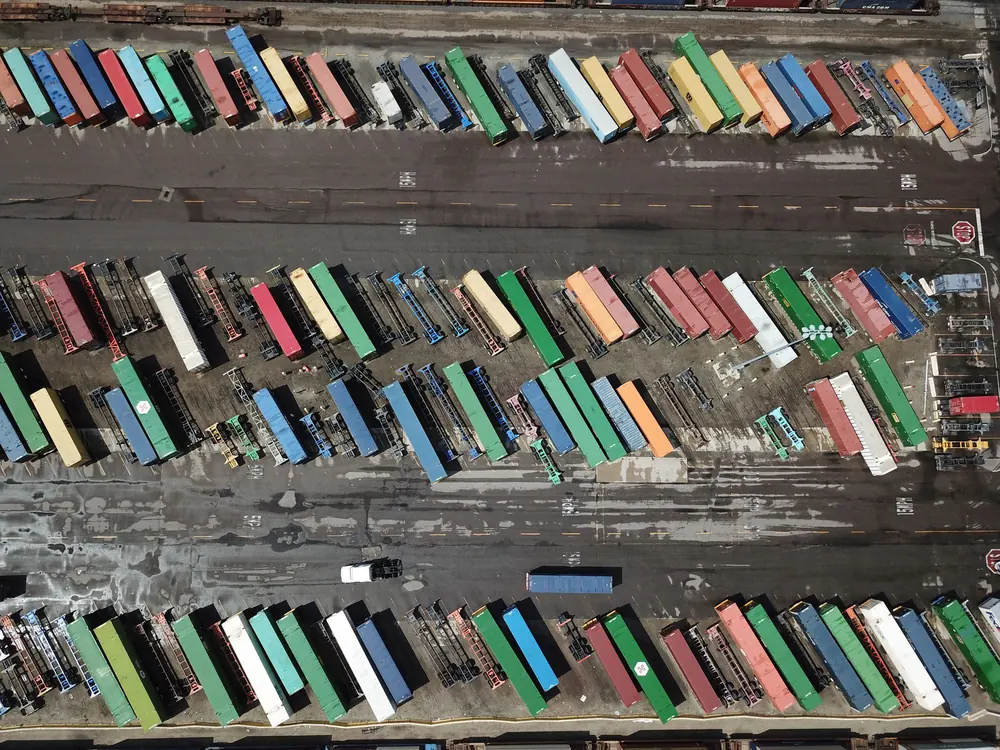
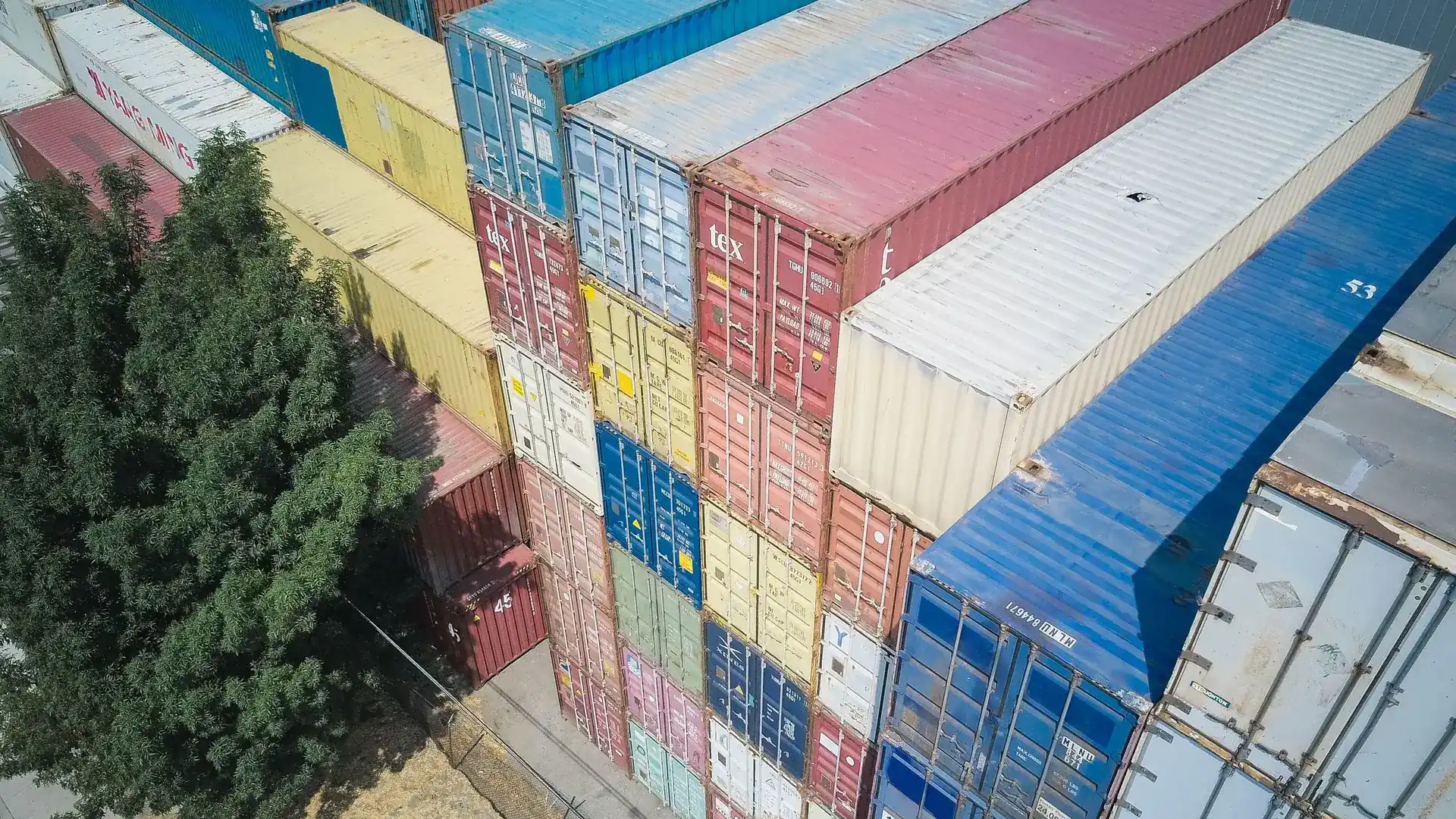
Stacks of colorful shipping containers seen from above
One trip · Cargo worthy · Wind and water tight

Cheap cargo containers: what each grade gets you

The lowest number on a listing is not always the best buy. Here is what each grade promises, what changes the delivered cost, and how to buy a low cost cargo container once.

  • 20 ft, 40 ft, high cube
  • Photos on request
  • A container number on every order
  • Photos before delivery, on request
  • Delivered to your site
  • Se habla español
Low cost, not low quality

What makes a cargo container cheap

Every cargo container starts life the same way: a steel box built to carry freight across the ocean. What it costs you later comes down to four things, and only one of them is the box itself.

  • The grade. Grade is condition. A one trip container that crossed the ocean once costs the most. A wind and water tight (WWT) container that spent years at sea costs the least. Both keep your things dry.
  • The size. A 40 ft costs more than a 20 ft, but you get twice the floor for well under twice the money in most markets. A 40 ft high cube adds a foot of height on top.
  • The drive. Delivery is priced by distance. A container that sits at a depot near you costs less to bring in than one that has to cross a state.
  • Your site. A clear, firm, level spot with a wide gate is a simple drop. A soft lawn, a tight turn or a low wire can mean a second trip, and a second trip is the most expensive part of any order.

So a cheap cargo container is not just the one with the lowest number on a listing. It is the one in the right grade for your job, in the size you will actually fill, set down once on ground that is ready for it. That is what this page helps you choose.

We sell by grade, with a container number

We buy from depots and shipping lines and truck the container straight to you. Every order is matched to one container number, and the grade is written on your order next to it. On request we send photos of that exact unit before delivery. Photos on this site show typical containers by grade, not your unit.

The three grades most buyers choose

One trip, cargo worthy or wind and water tight

Price follows grade. The lower the grade, the lower the price and the fewer the guarantees. Pick the lowest grade that still does the job you need.

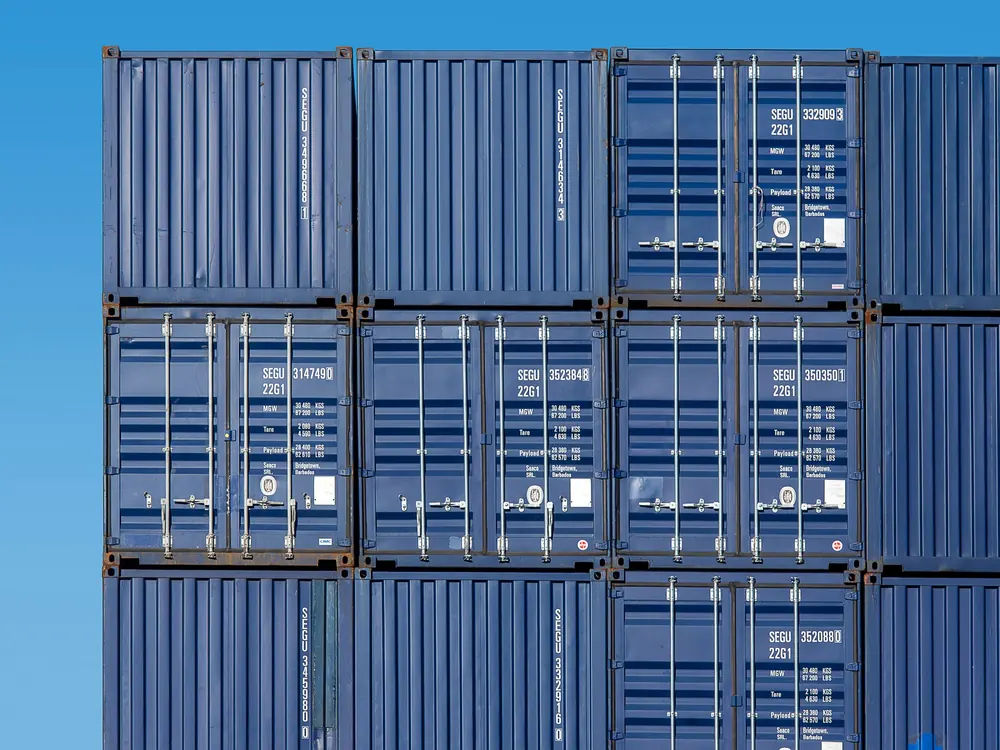
Clean navy blue shipping containers stacked against a clear blue sky
Near new

One trip

A factory container that made one loaded voyage, then came off the ship. Even paint, tight seals and a clean floor, with a few marks from that one trip. The pick for site offices, shops, conversions and anything people will see every day.

Doors of green, red, blue and yellow used shipping containers stacked two high
Used, structurally sound

Cargo worthy

Fit to carry cargo, with a valid CSC plate. Expect dents, patches, repairs and paint that does not match, on a sound frame, doors that shut and latch and a floor that carries a full load. The middle of the price range.

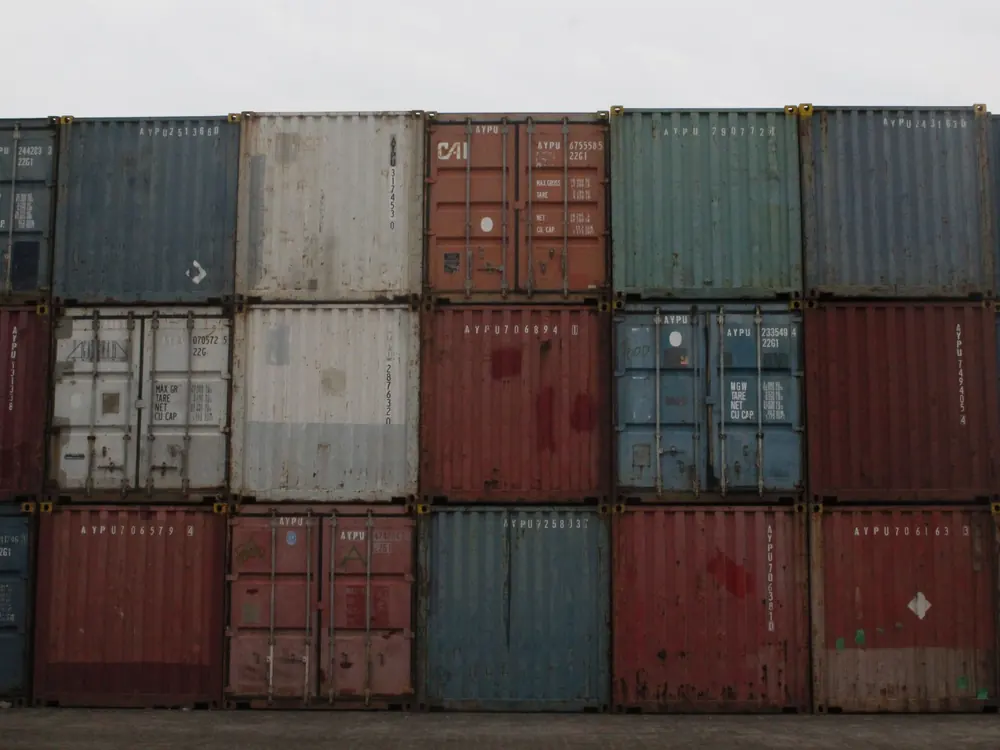
Weathered used shipping containers in faded red, grey and blue paint
Lowest cost

Wind and water tight

Sold on function, not looks. Inspected for holes before delivery, it keeps out wind and rain and its doors shut and lock. Rust spots, dents and faded paint are normal. The usual low cost buy for storage that will not move.

Read the WWT condition policy
GradeLooksLeak warrantyFrame warrantyCan ship overseasCost
One tripNear newLifetimeLifetimeYes, once inspected and certifiedHighest of the three
Cargo worthyDents, patches, mixed paintLifetimeLifetimeYes, once inspected and certifiedMiddle
Wind and water tightNot guaranteed25 yearsNoneNoLowest of the three

Two more grades. IICL is the cleanest used grade, inspected against the Institute of International Container Lessors criteria. As-is and damaged units are retired shells with no warranty, sold to buyers who will repair them. Both are on the shipping container grades page, and the full grade terms are in our Terms and Conditions.

A worn grey container wall with old stencilled numbers and painted-over markings
Match the grade to the job

Do not pay for a grade you will not use

Most buyers who overpay do it by buying a better grade than the job needs. Most buyers who are unhappy did the opposite: they bought a WWT container and expected it to look new.

Storage that stays put. Tools, feed, stock, furniture or records behind a barn or a shop: wind and water tight is the usual buy. No holes, doors that lock, a floor you can walk on.

A box that will be moved, lifted or shipped. Cargo worthy. It holds its frame rating and carries a CSC plate. If it is going overseas, tell us before you buy so the unit can be inspected and certified.

Something people will look at. An office, a shop front, a studio or a conversion: one trip. You start with clean steel and even paint, so you are not paying later to sand and repaint.

If you cannot decide, tell us what goes inside and where the container will sit. We will tell you the lowest grade that does the job.
20 ft, 40 ft or high cube

Which size gives the most for the money

A 40 ft container usually costs less per square foot than a 20 ft, because you pay for one box and one truck. A 20 ft wins when the site is tight or you only need a small room.

About20 ft40 ft40 ft high cube
Outside20' × 8' × 8'6"40' × 8' × 8'6"40' × 8' × 9'6"
Inside19'4" × 7'8" × 7'10"39'5" × 7'8" × 7'10"39'5" × 7'8" × 8'10"
Door opening7'8" wide × 7'6" high7'8" wide × 7'6" high7'8" wide × 8'5" high
FloorAbout 150 sq ftAbout 300 sq ftAbout 300 sq ft
Empty weightAbout 4,800 to 5,000 lbAbout 8,000 to 8,400 lbAbout 8,400 to 8,800 lb
Straight run to deliverAbout 75 ftAbout 110 ftAbout 110 ft
Pick a 20 ft for a driveway, a small yard or a job site with little room. It holds the contents of a one-car garage. See 20 ft containers.
Pick a 40 ft when you have the room and a lot to store. One lockable space, one delivery, about 20 standard pallets on the floor. See 40 ft containers.
Pick a high cube for racking, a tall machine, or a workshop or office where you want to stand and frame a ceiling. It costs a little more than a standard 40 ft.
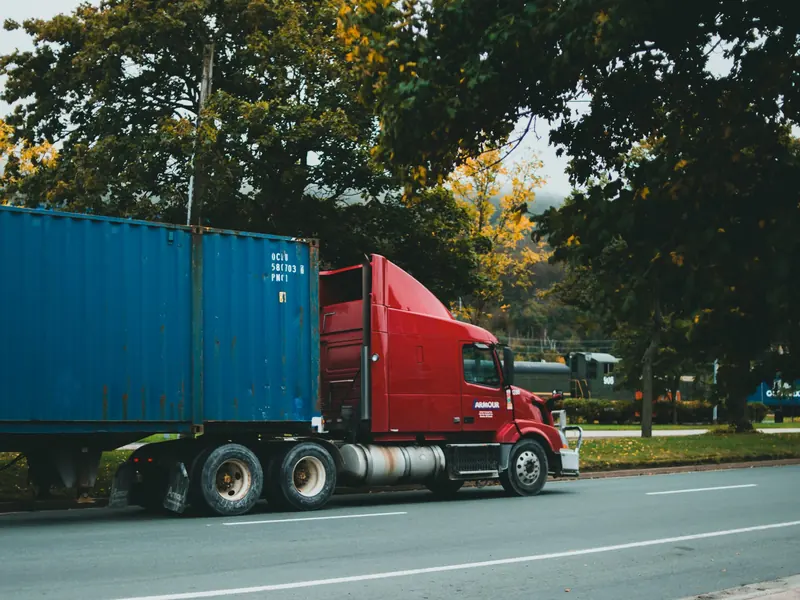
A semi truck pulling a blue shipping container along a tree lined road
Delivery

How much space you need for delivery

Most containers arrive on a tilt bed truck. The driver backs up in line with your spot, tilts the bed and pulls forward slowly, and the container slides off the back onto the ground. No crane and no forklift, but the truck needs room.

About 75 ftstraight run for a 20 ft container
About 110 ftstraight run for a 40 ft container
12 ft widegate and path for the truck
18 ft upclear of wires and branches

These are rough figures, and we confirm them for your address before the truck is booked. The container lands the way it was loaded, so tell us which way you want the doors to face. Photos or a short video of the path on WhatsApp help a lot. The full checklist is on our shipping container delivery page.

Firm, level, dry ground. Gravel, concrete or compacted earth. A loaded truck can sink on a soft lawn after rain, and a stuck truck is a second trip.
Weight on the corners. Railroad ties, treated timbers or concrete blocks under the four corners keep the floor off wet ground and the doors closing true.
Check it at the truck. Step inside, close the doors and look for daylight. Try both doors and walk the floor. Report a problem before the driver leaves.
Before you order

Do you need a permit for a container?

It depends on where it goes, how long it stays and what you use it for. The same container can need a permit in one town and nothing at all a few miles out. Check these three before you pick a spot.

City or county

Local building rules

Cities adopt building codes and zoning, and many treat a container as an accessory structure or a shed. Ask your planning office whether a container on your lot needs a permit, and whether a short stay during a move or a build is treated differently from a permanent one.

Your lot

HOA and deed rules

Even where the city allows it, an HOA or a deed restriction can say no, or allow a container only for a set time, behind a fence or out of sight from the street. Ask in writing before you order.

Use and place

Floodplain and use

A structure in a mapped floodplain may need a permit from the county. A container used as an office, a shop or a place to sleep is a building, and building, electrical and fire rules apply to it.

Who checks? Permits, HOA consent and deed restrictions are the buyer's to check. We are glad to tell you what other buyers in your area have run into, and the area pages on our service area page say what to ask where you are.

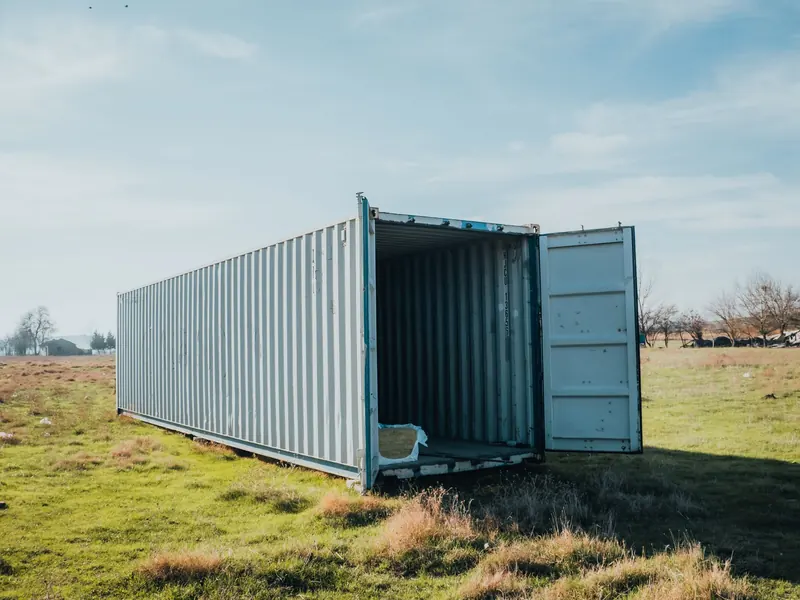
A 40 foot container standing in an open grass field with its doors open
Buying a low cost container

Cheap once, not cheap twice

  1. Tell us size, grade and place

    Call or WhatsApp with what you are storing, the address, the gate width and what the ground is like.

  2. Get one price for box and truck

    We quote the container and the delivery together, so there is no second number later. Fees vary with distance, size and site access.

  3. See your container number

    Your order is matched to one unit. Ask for photos of that container before delivery.

  4. Get the spot ready

    Level it, set the supports, trim low branches and open the gate wide before the truck comes.

  5. Check it at the truck

    Look for daylight with the doors shut, work both doors and walk the floor before the driver leaves.

Too cheap to be true? Container scams are common online: a listing far below the market, no container number, no photos of the actual unit, and pressure to pay fast by wire or gift card. Ask any seller for the container number and photos of that unit before delivery. We send both on request.

Where we deliver

Houston first, then four more states

Houston and its suburbs are our main delivery area. We also deliver across Texas and into California, Nevada, Oklahoma and Louisiana. Each state guide covers the ground, the weather and the rules there.

Shipping containers for sale in Houston

Low cost containers

Questions before you buy

Where can I find cheap cargo containers?

Buy by grade from a seller who gives you a container number. Wind and water tight (WWT) is the low cost grade for storage. Call or WhatsApp (903) 539-2349 with the size and your address and we quote the container and the delivery together.

What is the lowest cost grade that will not leak?

Wind and water tight. It has no holes, keeps out wind and rain and its doors shut, with a 25 year leak warranty. It will look used: dents, rust spots and faded paint are normal. Read the WWT policy.

Is a 40 ft container a better deal than a 20 ft?

Per square foot, usually yes: one box and one truck for twice the floor. A 20 ft is the better buy when the site is tight or you only need a small room.

Can a low cost container be shipped overseas?

Only one trip, IICL or cargo worthy units, once inspected and certified for export. Tell us before you buy. A wind and water tight container is for storage on land.

What changes the delivered price?

The grade, the size, the distance from the depot and how easy your site is to reach. Fees vary, so call or WhatsApp (903) 539-2349 with your address for one price that covers the container and the truck.

Do you speak Spanish?

Sí. Se habla español. Call or WhatsApp (903) 539-2349 and ask for Estela.

Get a delivered price

Call for a low cost container, delivered

Tell us the size, the grade and where it goes. We quote the container and the truck together, in English or Spanish.

Call (903) 539-2349 WhatsApp us

Se habla español

(903) 539-2349Call · Se habla español WhatsApp