Cheap CargoContainers
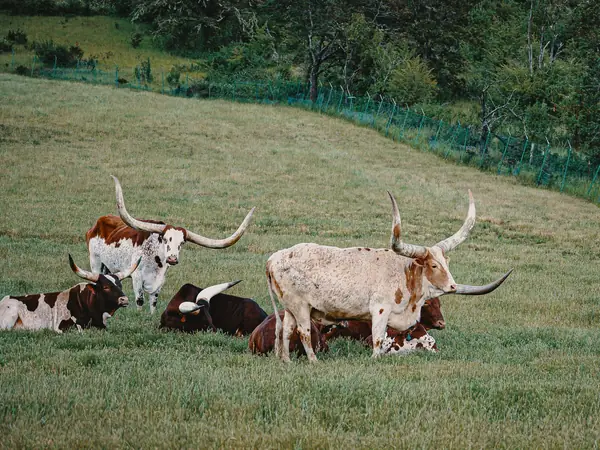
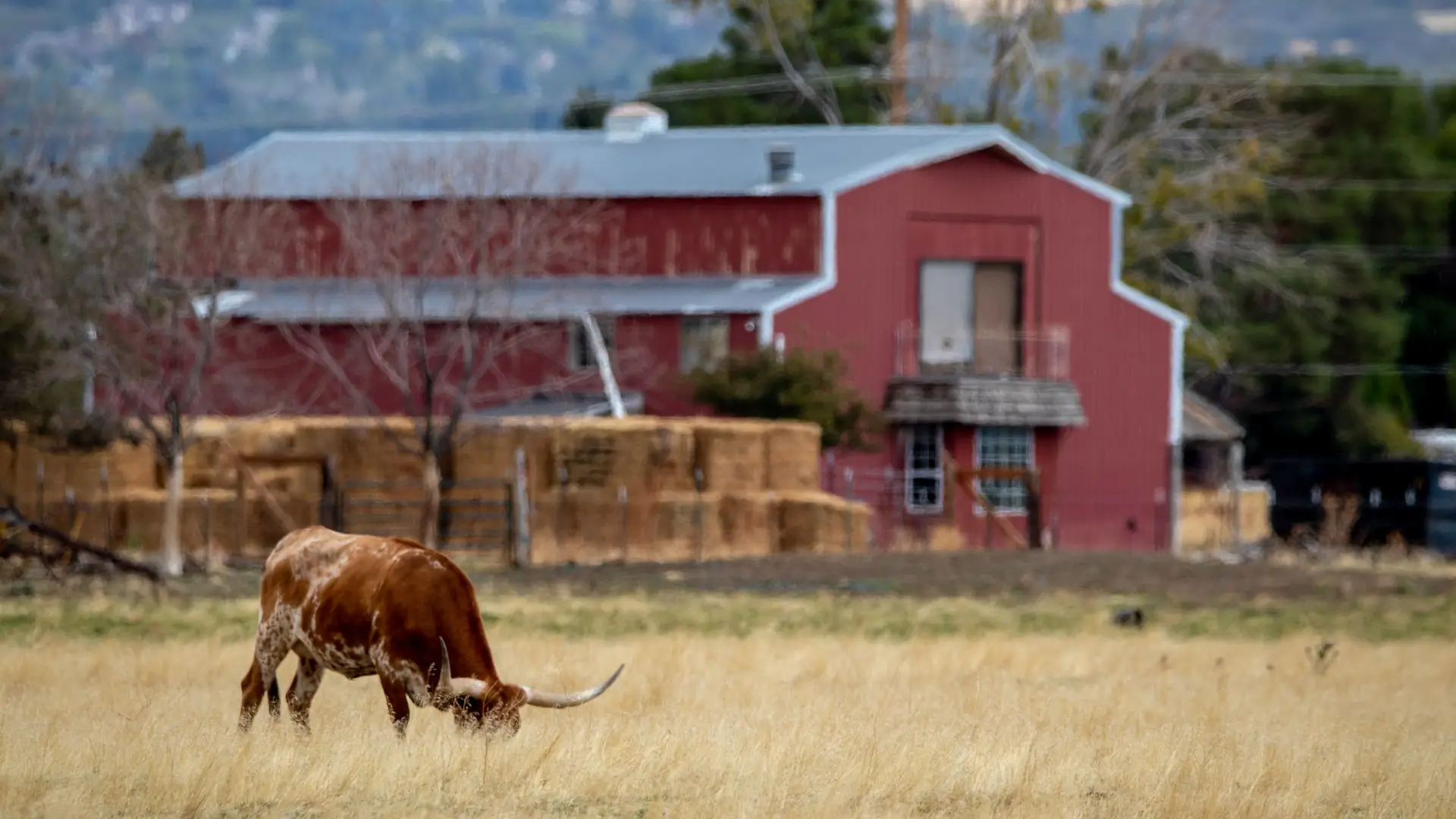
A longhorn grazing in a dry pasture in front of a red barn and stacked hay bales
Houston · Dallas · Austin · San Antonio

Cheap cargo containers in Texas

Used and one trip containers delivered from greater Houston across the state, and what Texas ground, weather and rules mean for the spot where yours will sit.

  • Houston first
  • Rural Texas too
  • A container number on every order
  • Photos before delivery, on request
  • Delivered to your site
  • Se habla español
Cheap cargo containers in Texas

Houston first, then the rest of the state

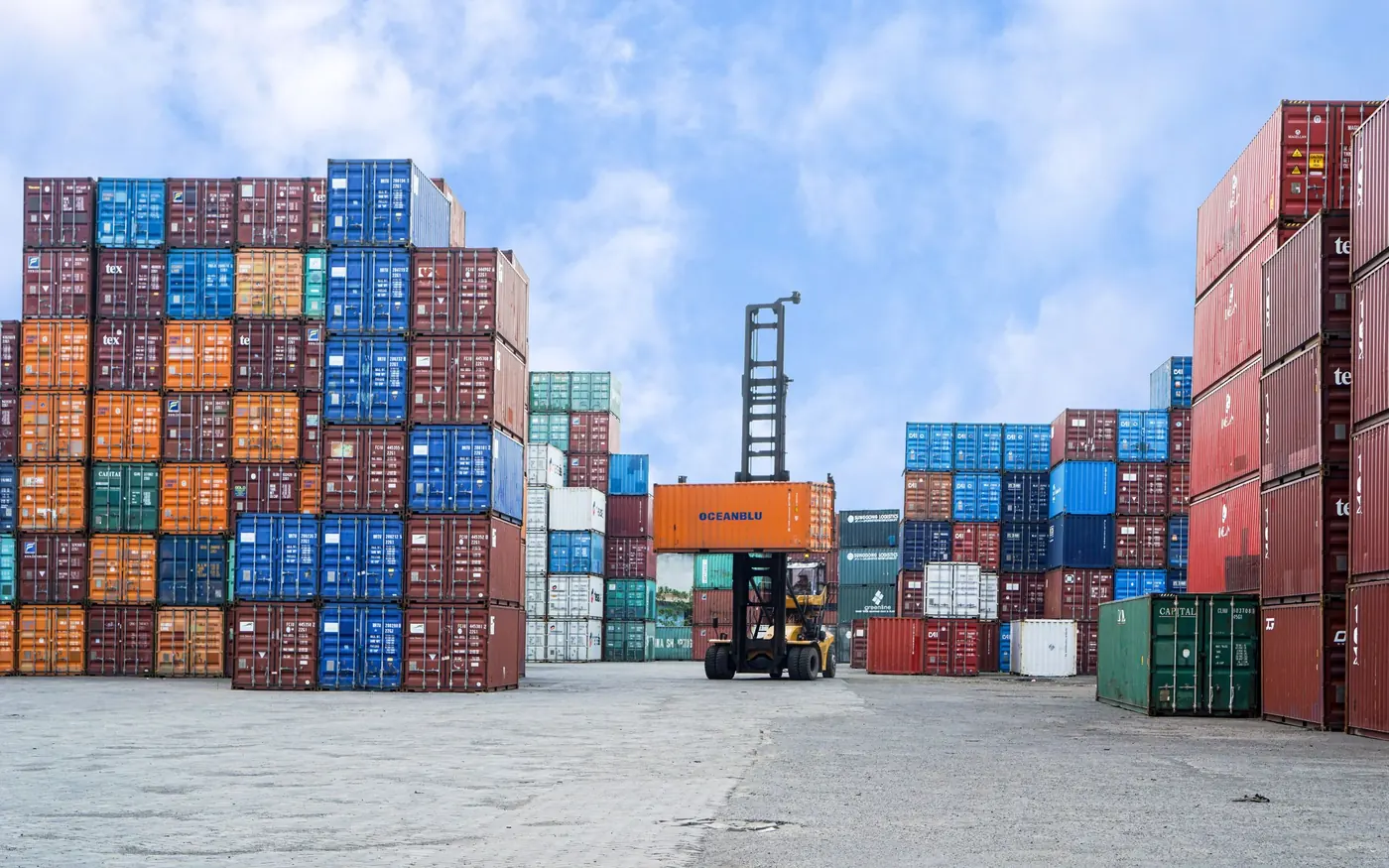
Houston is where most of our containers go. Port Houston handles more containers than any other port on the Gulf Coast, and every year boxes that have finished their working life at sea are retired and sold for storage. Short drives from the depots keep delivery in greater Houston simple, and that is why the Houston suburbs come first on our list.

We also deliver across Texas: Dallas, Austin, San Antonio and rural land in between. The container is the same wherever it goes. What changes is the drive, the ground and the rules, and this page covers all three for Texas buyers.

How an order works

You tell us the size, the grade and the address. We match your order to one container number at a depot, quote the container and the truck together, and send photos of that unit before delivery if you ask. Delivery fees vary with the distance from the depot, the container size and how easy your site is to reach, so a ranch two hours out costs more to reach than a driveway in Katy.

Used and commercial containers

Most Texas buyers want used shipping containers: cargo worthy or wind and water tight units that cost less than one trip and do the same job for storage. Businesses buying commercial shipping containers for job sites, plants and yards often take a 40 ft high cube for racking. Homeowners usually want a 20 ft that fits the driveway. We sell all three grades in 20 ft, 40 ft and 40 ft high cube.
Greater Houston

Our Houston delivery areas

Each part of the Houston metro asks something different of the truck: HOA rules in the master-planned suburbs, culverts and gates on acreage, plant gates along the Ship Channel, low ground near the bay. The Houston page brings them together.

Beyond Houston

Dallas, Austin, San Antonio and rural Texas

Outside Houston the drive is longer, so the delivery part of the price is bigger. The way to keep it down is a site that takes the container on the first try. Here is what to expect in each part of the state.

North · I-45 and I-35E

Dallas and Fort Worth

Most containers here go to job sites, contractor yards and businesses that need overflow storage. Cities across the Metroplex have their own rules on portable storage and accessory buildings, and many suburbs limit how long a container can sit in a driveway. Ask the city first, then your HOA.

Central · I-35 and US-290

Austin

Inside the city, a container is usually a building question: check with the city before it goes on a residential lot, and expect more rules if it will be a shop or an office. West of town, Hill Country lots are rocky and steep, so the flat run the truck needs is the thing to find first.

South Central · I-35 and I-10

San Antonio

Ranch land on every side of the city, and a lot of buyers who want a dry, lockable room for feed, tack and tools. Inside city limits, check the city rules for your lot. Call with the address and we will check the route and the delivery charge.

Farm and ranch roads

Rural Texas

On acreage, the gate and the last mile decide the delivery. Tell us about cattle guards, pipe gates, culverts, low water crossings and soft caliche or dirt roads. A 12 ft gate is the minimum; 14 to 16 ft is easier for the truck.

Texas ground

What your container will sit on

A container does not need a poured foundation for storage. It needs level, firm, dry ground with its weight on the four corners, where the frame is strongest. Texas has four kinds of ground that each need a little different care.

  • Gulf Coast gumbo. Around Houston and down the coast, the black clay is hard when dry and turns slick after rain. Plan the drop for a dry spell or lay a gravel pad, and set the corners on railroad ties or blocks.
  • Blackland Prairie clay. Along I-35 from San Antonio through Austin to Dallas, the clay swells when wet and shrinks and cracks in summer. Check the container is still level after the first big rain or dry spell, and shim the corners if the doors start to bind.
  • Hill Country rock and caliche. West of Austin and San Antonio, the ground is firm but rarely flat. Find or build a level pad first; a container that sits out of level twists, and its doors stop closing properly.
  • East Texas sand. In the Piney Woods, sandy lanes rut after rain and tall pines hang over the drive. Trim branches over the drop spot; the bed tilts high as the container slides off.

A compacted gravel pad works on any of them and gives the truck a firm surface too. For a container that will become a permanent building, ask your city or county what it needs before you pour concrete.

Permits and rules in Texas

Who decides where a container can go

Texas leaves most land rules to cities, not counties. That makes rural Texas easy and city lots more work. Check these before you choose a spot.

Inside city limits

City zoning and permits

Dallas, Austin, San Antonio and most Texas cities zone land and treat a container as an accessory structure on a residential lot. Some allow one for a short time during a move or a remodel. Houston has no zoning but enforces deed restrictions. Ask the city planning office before you order.

Outside city limits

County and floodplain

Texas counties generally do not zone, so acreage outside a city has far fewer rules. The county still runs the floodplain permit, though, and a structure in a mapped floodplain may need one. Look up the flood map for the exact spot.

Your subdivision

HOA and deed restrictions

A private deed restriction can forbid a container even where the city and county allow it. Most master-planned suburbs have them. Ask your HOA in writing, and keep the answer.

Using it as an office or shop? Then it is a building, not storage. City building, electrical and fire rules apply, and workplace safety rules apply to staff who work in it.
Property tax. A container set on a permanent foundation may be valued as an improvement. Ask your county appraisal district if that matters to you.
Who checks? Permits, HOA consent and deed restrictions are the buyer's to check. We are glad to tell you what other buyers near you have run into.
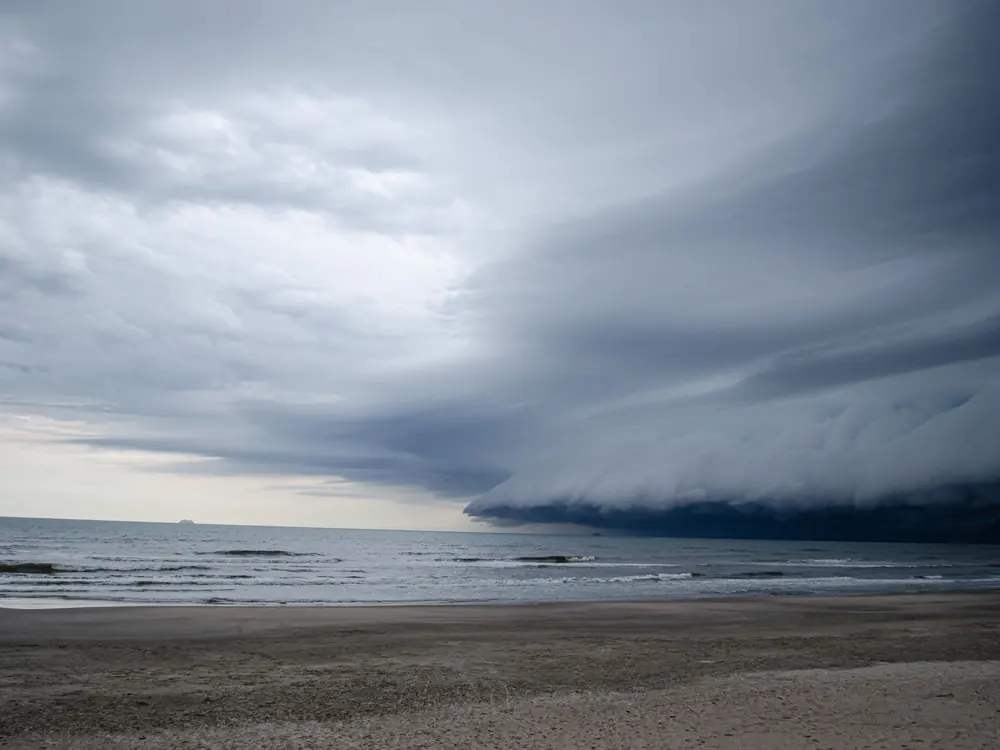
A dark shelf cloud rolling in over a Gulf beach
Heat, hail and hurricanes

A steel box in Texas weather

Summer heat. A closed container in full Texas sun gets far hotter inside than the air outside. Keep paint, aerosols, candles, vinyl records and electronics out of it in summer, or add vents and park it in shade. A light colored container runs cooler than a dark one.

Sweating. On the humid coast, a sealed box sweats when it cools at night. That is condensation, not a leak. Raise the floor on ties or blocks, keep the vents clear and use moisture absorbers.

Hurricane season. From June 1 to November 30, a locked container on high ground is a good place for generators, plywood, tools and stock. Near the coast, ask about tie-downs. A container is storage, never a storm shelter.

Hail. North and Central Texas hail dents roofs and doors. On a WWT unit that is cosmetic; what matters is that it still keeps out water.

Sizes and grades

What Texas buyers usually pick

20 ft, 40 ft and 40 ft high cube, in one trip, cargo worthy and wind and water tight grades. The grade is written on your order next to your container number.

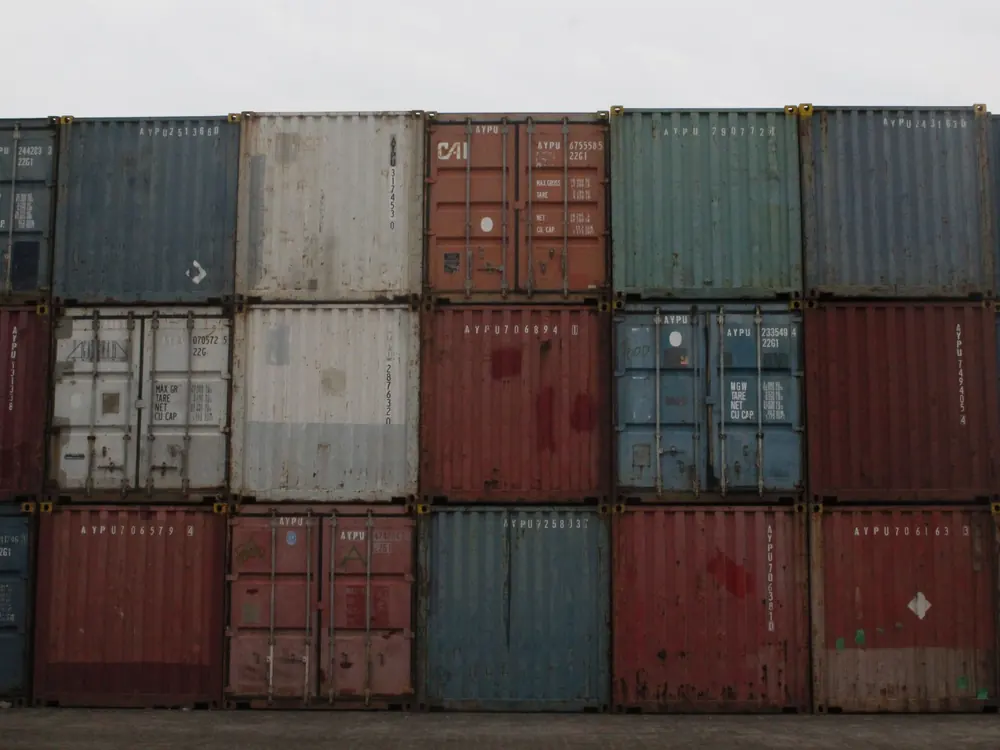
Weathered used shipping containers in faded red, grey and blue paint
Ranch and yard

40 ft wind and water tight

The low cost choice on acreage: room for a tractor implement, feed and a wall of shelves. It will look used, and it keeps out wind and rain.

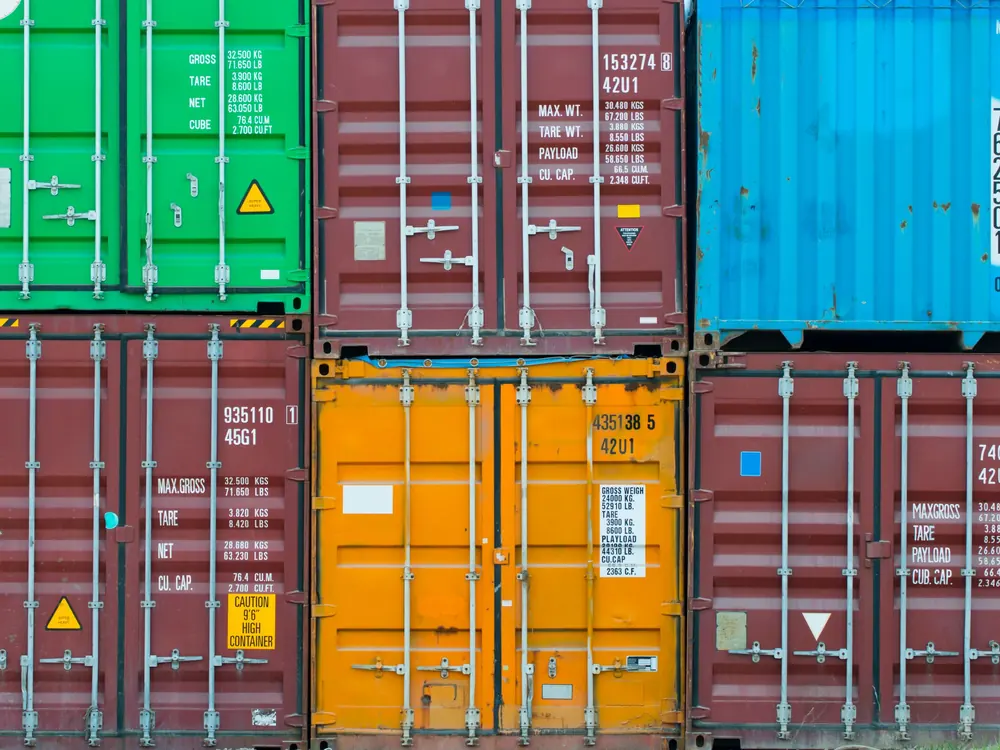
Doors of green, red, blue and yellow used shipping containers stacked two high
Job site

20 ft or 40 ft cargo worthy

A sound frame and a CSC plate, so it can be picked up and moved to the next job. The usual tool crib for builders and plant contractors. See conex boxes.

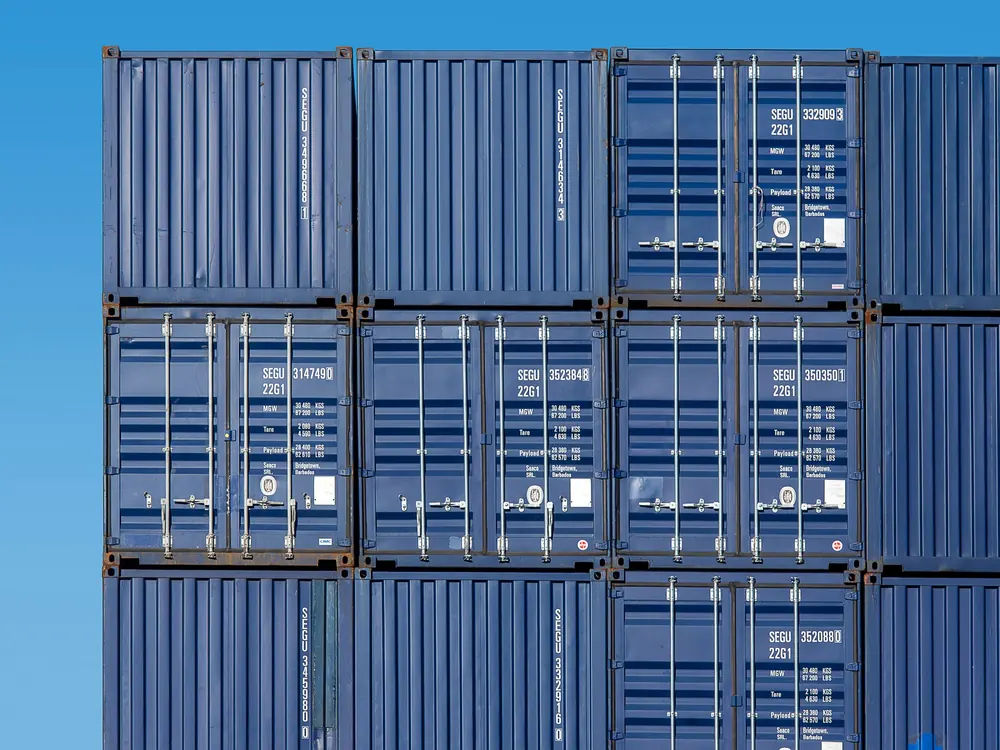
Clean navy blue shipping containers stacked against a clear blue sky
Home and business

20 ft one trip

Clean paint for a driveway or a storefront, where neighbors and customers will see it every day. Check deed restrictions or HOA rules first.

Comparing grades? Used shipping containers covers IICL, cargo worthy, WWT and as-is side by side, and the container grades page lists what each grade promises.

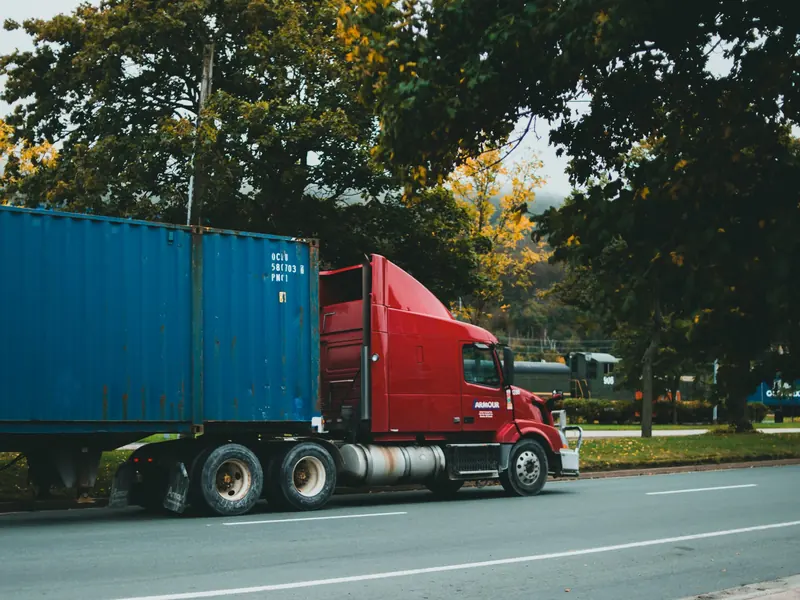
A semi truck pulling a blue shipping container along a tree lined road
Delivery in Texas

What the truck needs at your site

The container comes off the back of a tilt bed truck and slides onto the ground. The truck needs a straight, clear run lined up with your spot and room above it.

About 75 ftstraight run for a 20 ft container
About 110 ftstraight run for a 40 ft container
12 ft widegate and path for the truck
18 ft upclear of wires and branches

We go through the road, the turn in, the gate, the ground and the spot with you before the truck is booked. Be there at delivery, or send someone: step inside, close the doors and look for daylight, work both doors and walk the floor before the driver leaves.

Touch up scratches. Paint bare steel with a rust inhibiting primer once a year so surface rust does not spread.
Keep the seals clean. Wipe the door gaskets and grease the locking bars now and then. Doors that close easily keep water out.
It keeps its value. A level, well kept container can be sold or moved later. It needs no foundation, so a tilt bed can pick it up again.
Texas questions

Before your container arrives

Do you deliver cargo containers outside Houston?

Yes. Greater Houston is our main area, and we also deliver to Dallas, Austin, San Antonio and rural Texas. Call or WhatsApp (903) 539-2349 with the address and we check the route and quote the delivery.

Do I need a permit for a container in Texas?

Inside a city, often yes, or at least a check with the planning office. Outside city limits, Texas counties generally do not zone, but floodplain permits and deed restrictions still apply. Permits and HOA consent are the buyer's to check.

Which grade is best for a Texas ranch?

Usually a 40 ft wind and water tight: the low cost grade, with room for implements, feed and tools. It will look used, and it keeps out wind and rain.

How hot does a container get in a Texas summer?

Closed in full sun, much hotter inside than the air outside. Add vents, pick a light color or some shade, and keep heat sensitive things out.

Can I inspect a used container before I buy?

We do not run a yard to visit. Every order is matched to a container number, and on request we send photos of that exact unit before delivery. Check it again at the truck before the driver leaves.

Do you speak Spanish?

Sí. Se habla español. Call or WhatsApp (903) 539-2349 and ask for Estela.

Get a delivered price

Call for a delivered price anywhere in Texas

Tell us the size, the grade and the address. We quote the container and the truck together, in English or Spanish.

Call (903) 539-2349 WhatsApp us

Se habla español

(903) 539-2349Call · Se habla español WhatsApp