Cheap CargoContainers
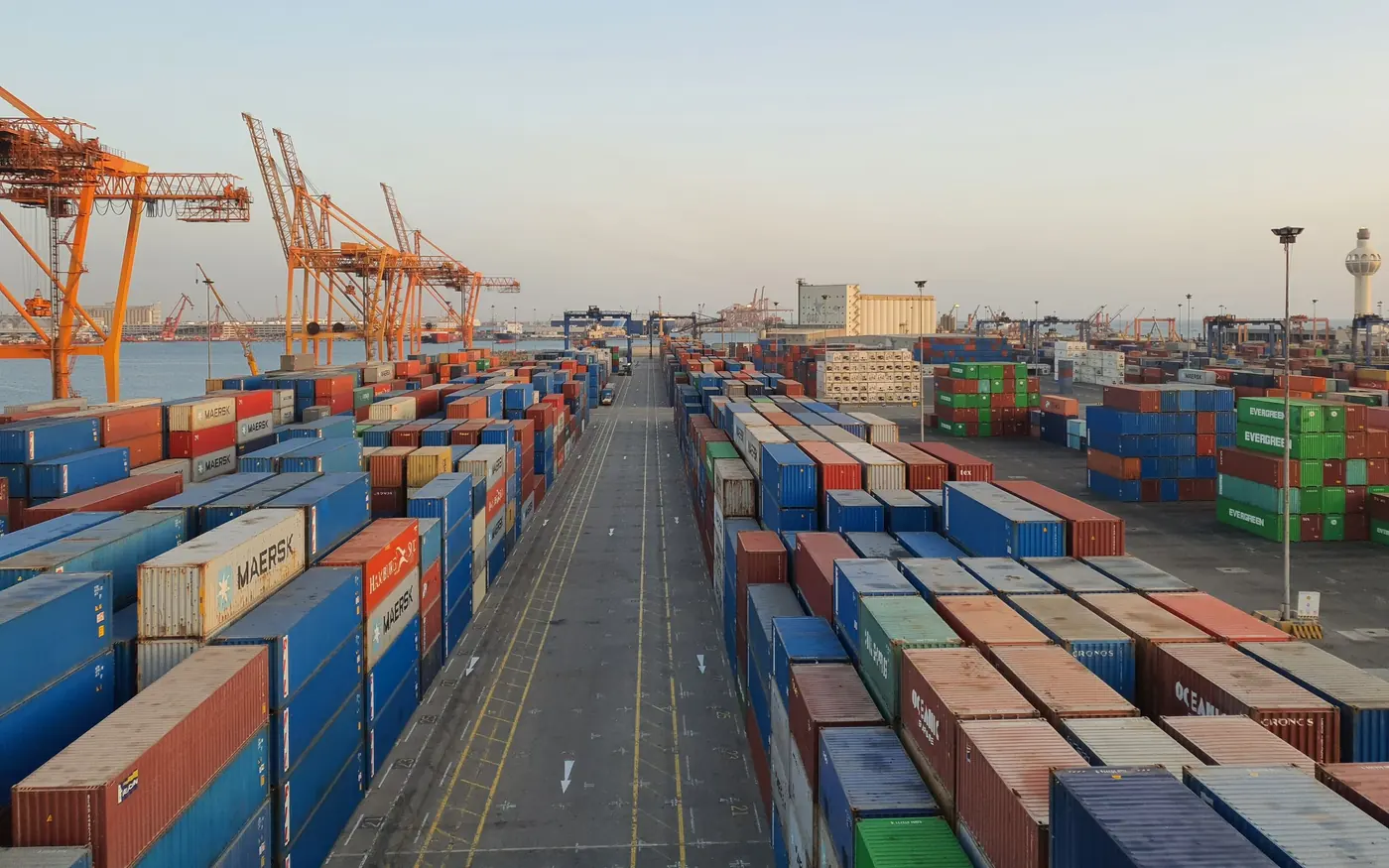
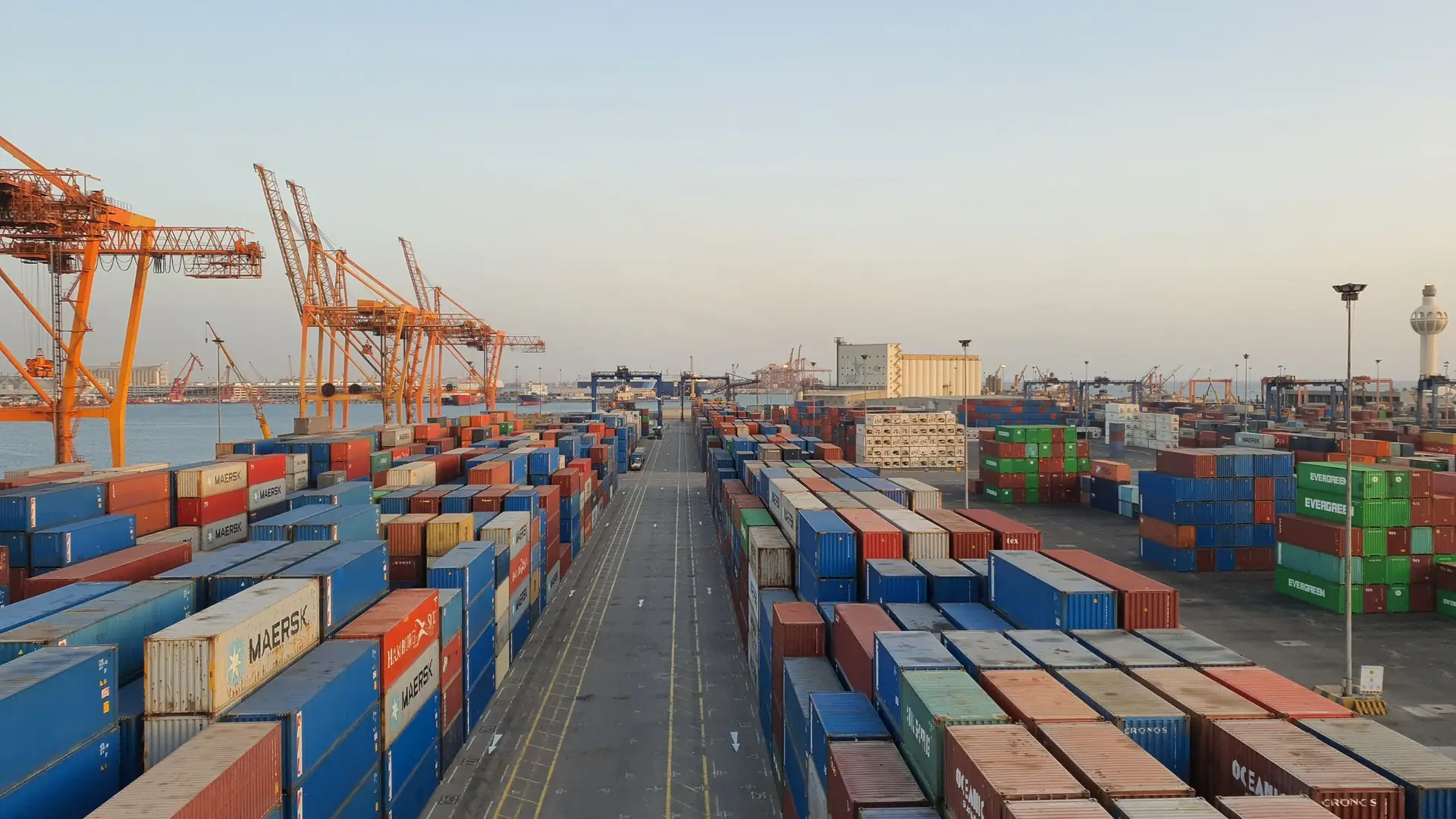
Rows of stacked shipping containers and cranes at a seaport
Los Angeles · Central Valley · Sacramento

Cheap cargo containers in California

What shipping container prices in California depend on, which grade to buy, the permit questions to ask and what the truck needs at your site.

  • One trip to WWT
  • LA to Sacramento
  • A container number on every order
  • Photos before delivery, on request
  • Delivered to your site
  • Se habla español
Cheap cargo containers in California

What to expect when you buy a container in California

California is container country. The ports of Los Angeles and Long Beach, side by side on San Pedro Bay, move more containers than any other port complex in the country, and Oakland adds more in the north. Every year, boxes that have finished their working life at sea come off those fleets and are sold for storage. That steady supply is why used containers are easy to find in the state.

We deliver into California, from Los Angeles to Sacramento. We match your order to one container number at a depot, quote the container and the truck together, and on request send photos of that exact unit before delivery. Delivery fees vary with the distance from the depot to your site, the size of the container and how easy your site is to reach.

Where the money goes

Shipping container prices in California come down to the same four things as anywhere else, in this order:

  • Grade. One trip costs the most, cargo worthy sits in the middle, wind and water tight costs the least. This is the biggest lever you have.
  • Size. A 40 ft costs more than a 20 ft, but usually less per square foot. A high cube costs a little more than a standard 40 ft.
  • Distance. California is a long state. A drop near a depot costs less than one up a mountain road or far out in the valley.
  • Site. A tight hillside drive or a soft field can turn one trip into two. Getting the site ready costs you almost nothing and saves the most.

We do not publish prices, because the market moves and the delivery part depends on your address. Call or WhatsApp with the size, the grade and where it goes, and we quote today's price with delivery.
Container grades

From one trip to wind and water tight

Grade is condition. Match the grade to the job and you only pay for the protection you need. The grade is written on your order next to your container number.

GradeConditionLeak and frameCostGood for in California
One tripNear new, one loaded voyageLifetime leak and frame warrantyHighest of the threeOffices, studios, shop projects, anything on show
Cargo worthyUsed, dents and patches, valid CSC plateLifetime leak and frame warrantyMiddleJob sites, storage that will be moved, export once certified
Wind and water tightUsed, looks not guaranteed25 year leak warranty, no frame warrantyLowest of the threeFarm and ranch storage, equipment lockers, back-lot storage
One trip. Built at the factory, loaded once for the trip across the Pacific, then sold. Minor scuffs from handling, nothing more. Start here if you plan to cut in windows and doors.
Cargo worthy. Still rated to carry freight, with a CSC plate. It will show its years. If it will be shipped again, tell us before you buy so it can be inspected and certified.
Wind and water tight. Sold on function, not looks. No holes, doors that shut. Read the WWT condition policy before you buy one.
Los Angeles to Sacramento

Different ground, different deliveries

The truck and the run are the same everywhere. The streets, the slopes and the weather are not. Tell us which of these sounds like your site.

Southern California

Los Angeles and the Inland Empire

City lots are tight. A 20 ft container on a residential street needs the full straight run and no wires low overhead, which rules out many front yards. Hillside drives with steep grades and sharp turns often cannot take a tilt bed at all. Warehouses, contractor yards and lots in the Inland Empire are usually easy drops.

Kern, Tulare, Fresno, Merced

The Central Valley

Farms and orchards around Bakersfield, Fresno and Modesto use containers for chemicals, tools, irrigation parts and feed. The ground is flat, but field edges are soft after irrigation and canal banks are no place for a loaded truck. Pick a firm spot by a farm road.

I-5 and US-50

Sacramento

Suburban lots with HOA rules, plus rural acreage out toward the foothills. In the foothills, gravel drives and oak branches over the road are the usual limits: tell us the drive's grade and trim branches below about 18 feet.

Coast and desert

Salt air and dry heat

Near the coast, salt air speeds up rust: touch up bare steel each year. In the desert and the valley in summer, a closed container gets very hot inside, so add vents and keep heat sensitive things out.

20 ft vs 40 ft

Which container fits your needs

Fill the floor you pay for. A 20 ft fits a driveway or a small yard; a 40 ft gives twice the floor in one lockable room; a high cube adds a foot of height for racking or a ceiling.

About20 ft40 ft40 ft high cube
Outside20' × 8' × 8'6"40' × 8' × 8'6"40' × 8' × 9'6"
Inside19'4" × 7'8" × 7'10"39'5" × 7'8" × 7'10"39'5" × 7'8" × 8'10"
FloorAbout 150 sq ftAbout 300 sq ftAbout 300 sq ft
Empty weightAbout 4,800 to 5,000 lbAbout 8,000 to 8,400 lbAbout 8,400 to 8,800 lb
Common usesJob site lockup, garage overflow, pop-up shopFarm storage, inventory, equipmentRacking, workshop, field office

Close figures. Measurements vary a little by manufacturer and age. If an inch matters, ask for the measurements of your container number before you pay. More on 20 ft and 40 ft and high cube containers.

Permits in California

Plan on a permit question in most cities

California is stricter about containers than Texas, and the rules are set city by city and county by county. A few points hold almost everywhere:

  • The 120 square foot line. The California Residential Code lets a small one-story storage shed skip a building permit when its floor area is 120 square feet or less. A 20 ft container covers about 160 square feet, so in many places even the smallest standard container is over the line. Many cities add their own rules on top.
  • Zoning and setbacks. Cities set where an accessory structure can stand on a lot, how far from the property line and how tall. Some allow a container only behind a fence or out of view from the street, and some only for a set time during construction.
  • Coastal and fire zones. Near the coast, new structures can need a coastal development permit. In fire hazard zones, ask the local fire authority about clearance around structures before you pick the spot.
  • Living or working in it. A container used as an office, a studio or a dwelling is a building. Building, energy, electrical and fire rules apply, and that is a project for a designer and the building department, not a delivery.

On farm and ranch land in the valley, the rules are often lighter for agricultural storage, but check with the county before the truck comes. Permits, HOA consent and deed restrictions are the buyer's to check, and we are glad to say what to ask.

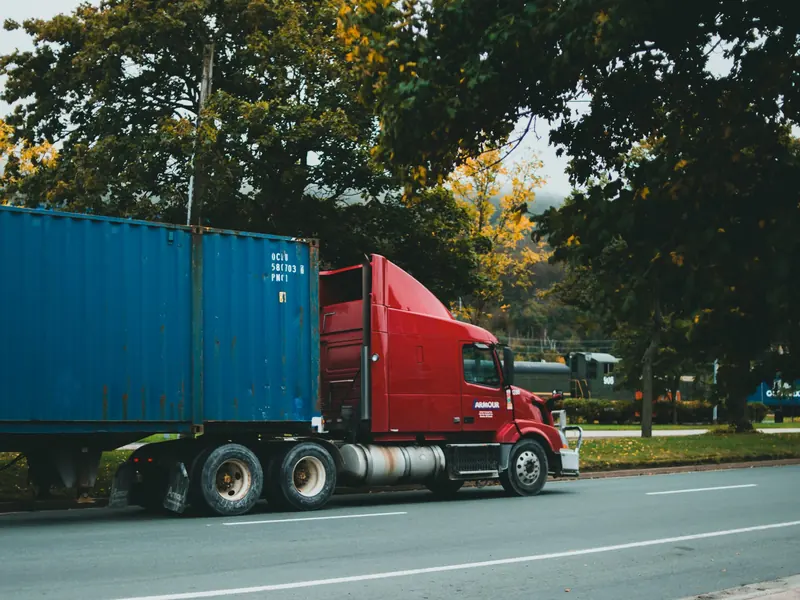
A semi truck pulling a blue shipping container along a tree lined road
Direct delivery

What the truck needs at your California site

Your container comes straight to your site on a tilt bed truck. The driver lines up with the spot, tilts the bed and pulls forward, and the container slides off onto the ground. That takes room.

About 75 ftstraight run for a 20 ft container
About 110 ftstraight run for a 40 ft container
12 ft widegate and path for the truck
18 ft upclear of wires and branches

We confirm these for your address before we book the truck. Send photos or a short video of the path on WhatsApp, and tell us about narrow streets, steep grades, sharp turns and gates.

Level the spot. Clear and level an area a little bigger than the container. Set railroad ties, concrete blocks or about 6 inches of compacted gravel under the corners.
Mark the doors. The container lands the way it was loaded. Tell us which way the doors should face so you are not opening them against a fence.
Be reachable. Put a phone number at the gate and be there, or send someone, to check the container before the driver leaves.
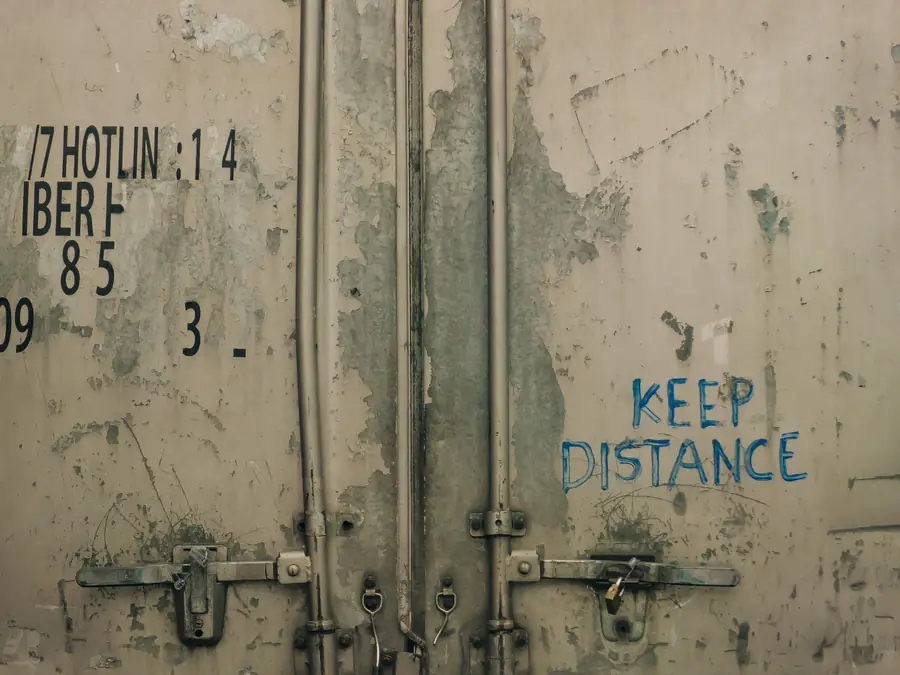
A worn grey container wall with old stencilled numbers and painted-over markings
Buying used

How to check a used container

Used shipping containers in California are a good buy for storage, as long as you know what normal wear looks like. Ask for photos of your container number before delivery, then check these at the truck:

  • Daylight: step inside, close both doors and look for light through the roof, walls and floor
  • Doors: open, close and lock both. Stiff is normal on used grades; not closing is not
  • Floor: walk it end to end and feel for soft spots
  • Roof and corners: surface rust is normal, rust holes are not
  • Frame: big dents in the corner posts or cracked welds matter more than dents in the walls

For things that must stay dry, such as documents or furniture, add vents and moisture absorbers; any sealed steel box can sweat when nights are cool.

California questions

Buying a container in California

Are cheap cargo containers easy to find in California?

Yes. The ports of Los Angeles, Long Beach and Oakland retire a steady stream of used containers. Call or WhatsApp (903) 539-2349 with the size, the grade and your address and we tell you what we can deliver.

What types of containers do you sell?

20 ft, 40 ft and 40 ft high cube, in one trip, cargo worthy and wind and water tight grades. IICL and as-is units are on the container grades page.

What affects shipping container prices in California?

The grade first, then the size, the distance from the depot and how easy your site is to reach. We quote the container and the delivery together, so you see one number.

How fast can a container be delivered in California?

It depends on the distance and the truck schedule. We give you a delivery date when we book the truck, after we have checked your site with you.

Can I customize a low cost container?

Shelves, vents, lights and a lock box are easy to add after delivery. Cutting or welding the walls is not covered by the frame warranty, so ask us first, and check whether your city treats the result as a building.

Do you speak Spanish?

Sí. Se habla español. Call or WhatsApp (903) 539-2349 and ask for Estela.

Get a delivered price

Call for a delivered price in California

Tell us the size, the grade and the address. We quote the container and the truck together, in English or Spanish.

Call (903) 539-2349 WhatsApp us

Se habla español

(903) 539-2349Call · Se habla español WhatsApp