
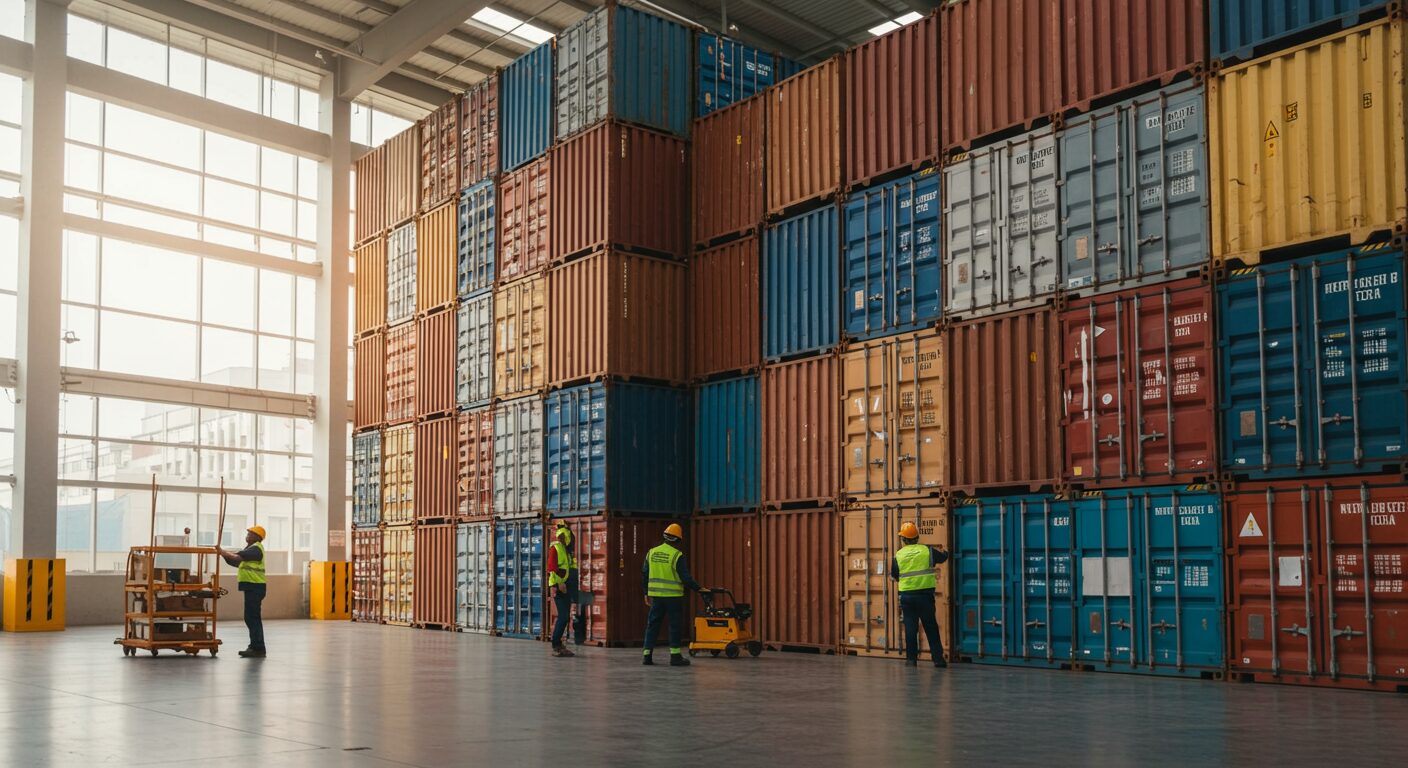
Spring Storage Solutions: Affordable and Cheap Cargo Containers
When you’re running out of space for equipment, inventory, or seasonal items, the last thing you want is a storage solution that drains your budget. That’s where cheap cargo containers in Texas come into play—offering a practical, secure, and surprisingly affordable way to expand your storage capacity without breaking the bank. But here’s what most people don’t realize: not all affordable containers are created equal, and knowing what to look for can save you thousands while still getting exactly what you need.
At Cheap Cargo Containers, we’ve spent years helping Texas businesses and homeowners find storage solutions that actually fit their budgets. Based right here in Houston, we understand the unique challenges of our climate and what it takes to keep your belongings protected year-round. Let’s break down what you really need to know about finding quality containers at prices that make sense.
The Real Cost Breakdown: What You’re Actually Paying For
Most people assume that lower-priced containers mean lower quality. That’s not necessarily true. The price of a storage container depends on several factors, and understanding these helps you spot genuine value versus a risky deal.
First, consider the container’s condition. A “one-trip” container—meaning it’s made just one journey from overseas—will cost more than a used unit that’s been in service for several years. But here’s the thing: a well-maintained used container can serve you just as effectively for decades. The steel construction of these units is incredibly durable, designed to withstand ocean crossings and harsh weather conditions.
Size matters significantly in pricing. A standard 20-foot container typically runs several thousand dollars less than a 40-foot unit. Before you automatically go for the larger size, calculate your actual storage needs. Many customers find that a 20-foot container provides plenty of space while keeping costs manageable. You can always add a second unit later if your needs grow.
Location plays a bigger role than most people expect. Texas has major ports in Houston and other coastal cities, which means containers are more readily available here than in landlocked states. This supply advantage translates to better pricing for Texas buyers. Working with a local supplier like Cheap Cargo Containers Texas means you’re not paying inflated transportation costs from distant locations.
Hidden Quality Indicators That Separate Good Deals From Bad Ones
Walking onto a container lot can feel overwhelming when you’re looking at dozens of similar-looking steel boxes. Here’s what experienced buyers check first—and what you should too.
Inspect the floor carefully. The plywood flooring inside containers takes the most abuse over time. Look for soft spots, water damage, or areas where the wood feels spongy underfoot. Replacing a container floor isn’t impossible, but it’s an expense you’d rather avoid. A quality affordable container should have solid, intact flooring even if it shows some wear.
Check the door seals and gaskets. These rubber components around the doors create a weathertight seal. If they’re cracked, missing, or deteriorated, you’ll deal with moisture intrusion during heavy rains. Texas weather can be unpredictable, and the last thing you want is water damage to your stored items. Good seals are a non-negotiable feature, regardless of price point.
Look at the overall structure for signs of major repairs. Some surface rust is normal and expected on used units—it’s actually easier to address than you might think with proper treatment. But welded patches, replaced panels, or significant structural modifications could indicate the container has been through rough handling. Ask about the container’s history and any repairs that have been made.
The locking mechanism deserves attention too. Container doors should open and close smoothly, and the locking bars should engage securely. Sticky or difficult-to-operate doors suggest alignment issues that could worsen over time. This is especially important if you’ll be accessing your container frequently.
Smart Buying Strategies That Most People Miss
Timing your purchase strategically can significantly impact what you pay. Container prices fluctuate based on supply and demand, much like any commodity. When shipping volumes are high, prices tend to increase. During slower shipping periods, suppliers are often more motivated to move inventory.
Consider buying direct from a reputable dealer rather than through multiple intermediaries. Each middleman adds their markup to the final price. Companies like ours maintain their own inventory and can offer more competitive pricing because we’re not layering on additional fees. You’re also more likely to get accurate information about a container’s condition when dealing directly with the source.
Don’t overlook delivery costs in your budget calculations. A container might seem like a bargain until you realize delivery will cost another thousand dollars or more. Ask for an all-in price quote that includes delivery and placement. Some suppliers offer free delivery within a certain radius, which can represent substantial savings if you’re located in the Houston area or other major Texas cities.
Think about customization needs upfront. Adding ventilation, electrical wiring, shelving, or other modifications after purchase typically costs more than having these features installed before delivery. Many suppliers, including Cheap Cargo Containers, offer customization services at competitive rates when bundled with your container purchase.
Making Your Investment Last: Maintenance That Matters
Buying an affordable container is just the beginning. How you maintain it determines whether you get five years or fifty years of service from your investment.
Start with proper site preparation. Your container needs a level, stable foundation. This doesn’t necessarily mean a concrete pad, though that’s ideal. Gravel, railroad ties, or concrete blocks can work well if properly positioned. The key is keeping the container level and preventing it from sitting directly on the ground where moisture can accelerate rust formation.
Address rust spots promptly when they appear. Surface rust is manageable with wire brushing and rust-inhibiting paint. Left untreated, it can spread and eventually compromise the container’s structural integrity. A few hours of maintenance every couple of years can add decades to your container’s lifespan. This is particularly important in humid Texas climates where rust can develop more quickly.
Keep the roof clear of debris. Leaves, branches, and other materials trap moisture and can lead to rust development on the roof panels. A quick sweep every few months takes minimal effort but prevents long-term problems. Also check that water drains properly off the roof rather than pooling in low spots.
Lubricate the door hinges and locking mechanisms annually. These moving parts need occasional maintenance to continue operating smoothly. A spray lubricant designed for outdoor use works perfectly and takes just minutes to apply. This simple step prevents doors from binding and ensures your container remains secure.
Consider ventilation for certain storage applications. If you’re storing items that could be affected by condensation, adding passive vents helps air circulation and reduces moisture buildup inside the container. This is especially important in Texas where temperature swings can create condensation issues.
The reality is that affordable storage containers represent one of the most cost-effective ways to add secure, weather-resistant storage space to your property. Whether you’re a small business owner needing extra inventory space, a homeowner tackling a renovation project, or anyone in between, these versatile units deliver practical value that’s hard to match with traditional storage solutions. The key is working with knowledgeable suppliers who understand both the product and your local conditions, ensuring you get a container that serves your needs for years to come without unnecessary expenses.
Frequently Asked Questions About Cheap Cargo Containers
What’s the average price for a cheap cargo container in Texas?
In Texas, you can typically find used 20-foot cargo containers starting around $1,500 to $2,500, while 40-foot containers range from $2,500 to $4,000 depending on condition and location. New containers cost more, but buying used “one-trip” containers or wind and watertight units offers excellent value for storage needs. Prices can vary between cities like Houston, Dallas, and Austin, so it’s worth getting quotes from multiple suppliers in your area.
Are cheap cargo containers actually durable enough for Texas weather?
Yes, even affordable used cargo containers are built from 14-gauge corrugated steel designed to withstand ocean voyages, making them extremely durable for Texas conditions. They handle our intense summer heat, heavy rain, and occasional hail storms very well. Just ensure you choose a “cargo worthy” or “wind and watertight” grade container rather than “as-is” condition, and the container will provide reliable protection for years with minimal maintenance.
Do I need a permit to place a cargo container on my Texas property?
Permit requirements vary significantly by city and county across Texas. Many rural areas have minimal restrictions, while cities like Austin, Houston, and San Antonio may require permits, especially if you’re using the container as a permanent structure or placing it in a visible location. It’s best to check with your local building department or HOA before delivery to avoid any compliance issues or fines.
Can I have a cheap cargo container delivered anywhere in Texas?
Most container suppliers in Texas offer delivery throughout the state, though delivery fees increase with distance from major hubs like Houston, Dallas-Fort Worth, and San Antonio. You’ll need a relatively flat, accessible area for the delivery truck, which is typically a large flatbed with a tilt mechanism. Remote or difficult-to-access locations may incur additional charges, and some suppliers have minimum delivery distances, so always confirm delivery costs upfront when getting quotes.
What’s the difference between cheap and expensive cargo containers?
The main differences are age, condition, and cosmetic appearance. Cheap containers are typically older units with more dents, rust spots, and paint wear, but they’re still structurally sound and weatherproof. Expensive containers are either new or “one-trip” units with minimal wear and better aesthetics. For basic storage, workshop space, or projects where appearance isn’t critical, a cheaper used container provides the same security and protection at a fraction of the cost.
Leave a Reply