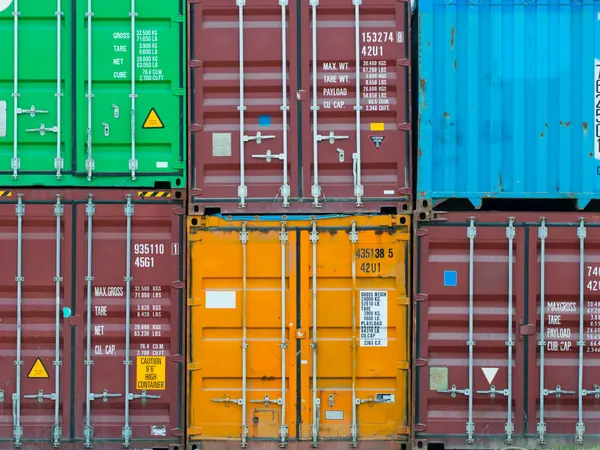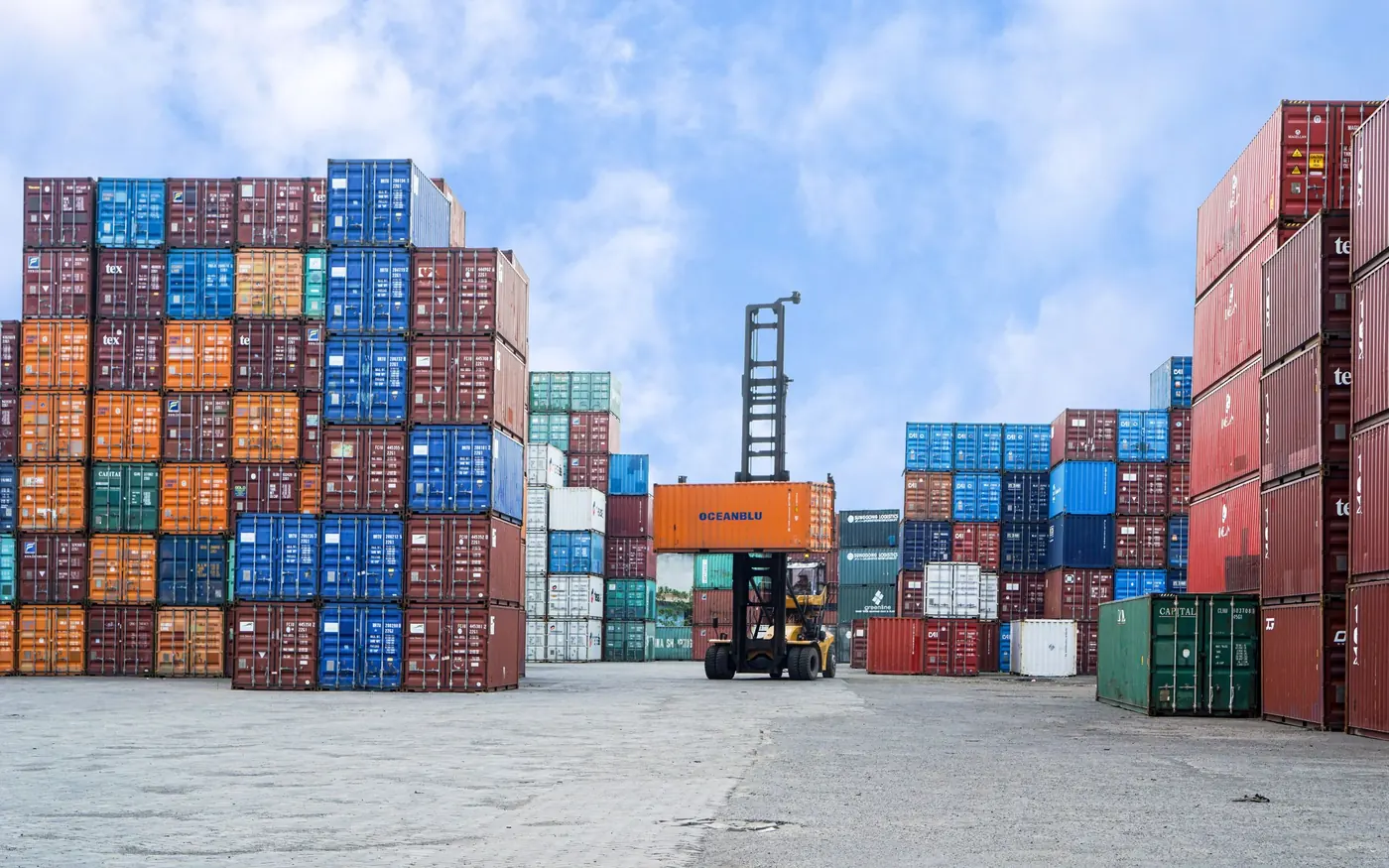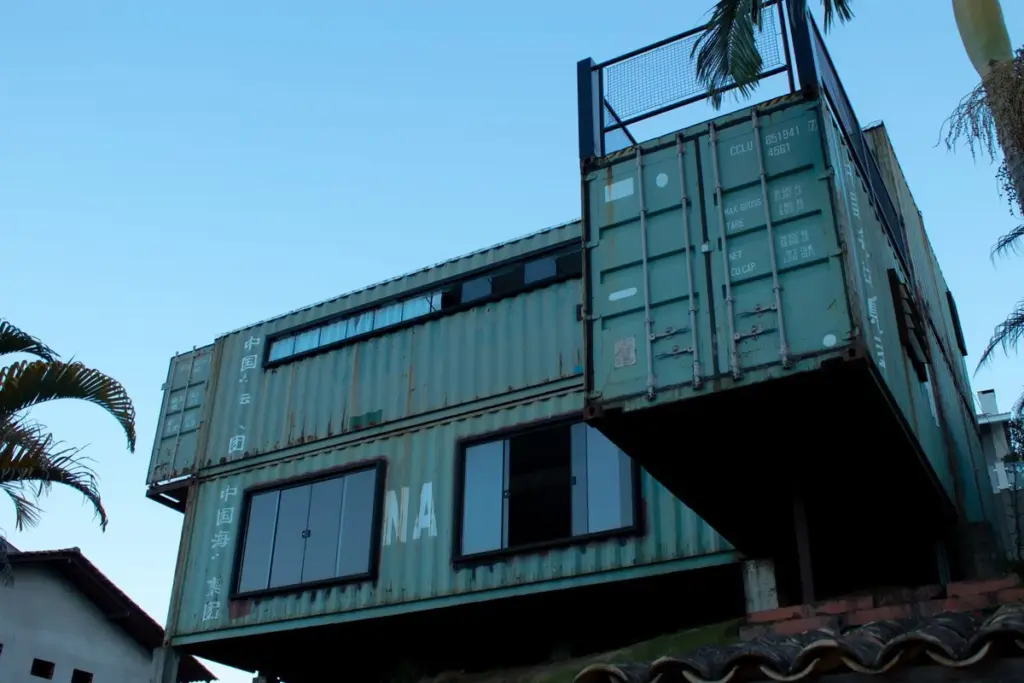
Texas weather doesn't play around. Between Gulf Coast hurricanes, spring hailstorms, and those relentless summer downpours that seem to appear out of nowhere, anyone storing valuables, equipment, or inventory outside needs serious protection, and that's exactly why wind and water tight containers Texas buyers are searching for have become such a hot topic. The demand makes complete sense once you've watched a poorly sealed storage unit turn into a swimming pool after one bad storm. Getting the right container from the start saves you money, frustration, and a lot of wet cardboard.
What "Sealed Tight" Actually Means in the Real World
There's a lot of confusion around container ratings, and it's worth cutting through the noise. When a container is described as sealed against wind and water, it means the doors, seams, and frame create a continuous barrier that keeps moisture and air-driven rain from getting inside. That's not the same as waterproof, no container is designed to be submerged, but it does mean that driving rain, high winds, and even flooding at ground level won't push water through the walls or door seals.
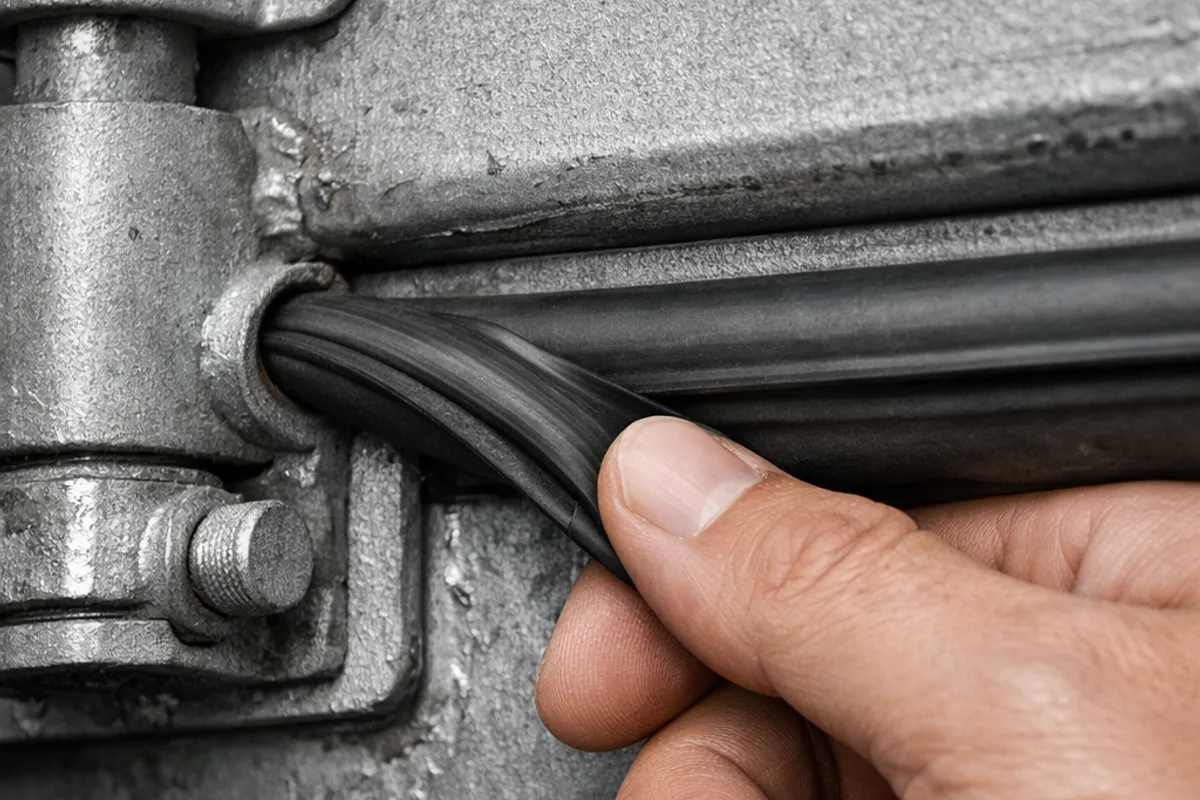
The rubber gaskets around the doors are the first thing to inspect. On a quality unit, those gaskets compress firmly when the doors are closed and latched. On a worn-out or poorly maintained container, they're cracked, brittle, or missing entirely. That gap, even a small one, is an open invitation for moisture to creep in over time. It's a slow problem that turns into a big one, rust on your tools, mold on your inventory, rot on anything wood-based.
Corten steel construction is what makes most cargo containers naturally resistant to the elements. That slightly orange surface you see on older units isn't just cosmetic rust, it's actually the steel forming a protective layer that slows further corrosion. Still, that doesn't mean every used container on the market is in good shape. Age, prior use, and how the unit was stored all factor into how well it holds up against Texas weather.
The Difference Between a Good Deal and a Wet Mess
Not all containers are created equal, and the price difference between a solid unit and a compromised one can be surprisingly small upfront, but enormous down the road. A container with a warped frame, for example, will never seal properly no matter how good the gaskets are. The doors simply won't close flush. You might not notice it during a dry week in July, but come the first major storm, you'll find out fast.
One-trip containers, units that made a single voyage from the manufacturer before being sold, are often the gold standard for weather resistance. They haven't been stacked, dropped, or baked on a shipping dock for years. The seals are fresh, the floors are intact, and the structural integrity is about as close to new as you can get without buying new. If keeping moisture out is your top priority, that's the category worth considering. You can learn more about the advantages of one-trip shipping containers before making your decision.
Used containers can absolutely get the job done too, especially if they've been properly inspected and reconditioned. The key is knowing what to look for, or working with a supplier who does that vetting for you. Customers who've worked with the team at Cheap Cargo Containers in Texas consistently mention how straightforward the buying process feels, and how the containers they received were exactly what was described, no surprises, no mystery leaks.
Texas Conditions Demand More Than the Minimum
Here's something that doesn't get said enough: storage needs in Texas are genuinely different from most of the country. You're not just dealing with rain, you're dealing with humidity that hangs around even on sunny days, temperature swings that expand and contract metal, and storm systems that can bring horizontal rain at 60 miles per hour. A container that performs fine in a dry climate might struggle here.
That's why ventilation matters almost as much as sealing. A container that's perfectly sealed but has no airflow can trap humidity inside, especially during those brutal summer months. The moisture doesn't come through the walls, it condenses from the air already inside. Vents positioned high on the container walls allow air to circulate without letting rain in, which keeps the interior dry even when the outside temperature is swinging wildly.
If you're planning to store temperature-sensitive items, electronics, documents, certain tools, finished goods, it's worth thinking about how the container will be positioned on your property too. Shade, orientation relative to the prevailing wind, and elevation off the ground all play a role in how well the unit performs over time. If you're still figuring out the right size and setup for your situation, this guide to choosing the right cargo container for your needs breaks it down in practical terms.
What to Check Before You Sign Anything
Before committing to a container purchase, there are a few things every buyer should physically verify, or ask their supplier to confirm in writing.
Start with the roof. Walk around and look for any dents that have created low spots where water can pool. Standing water on a container roof will eventually find a way in, whether through a seam or a pinhole rust spot. Next, check the floor. Soft spots or visible rot in the wood flooring suggest moisture has already been getting inside. That's a red flag regardless of how good the exterior looks.
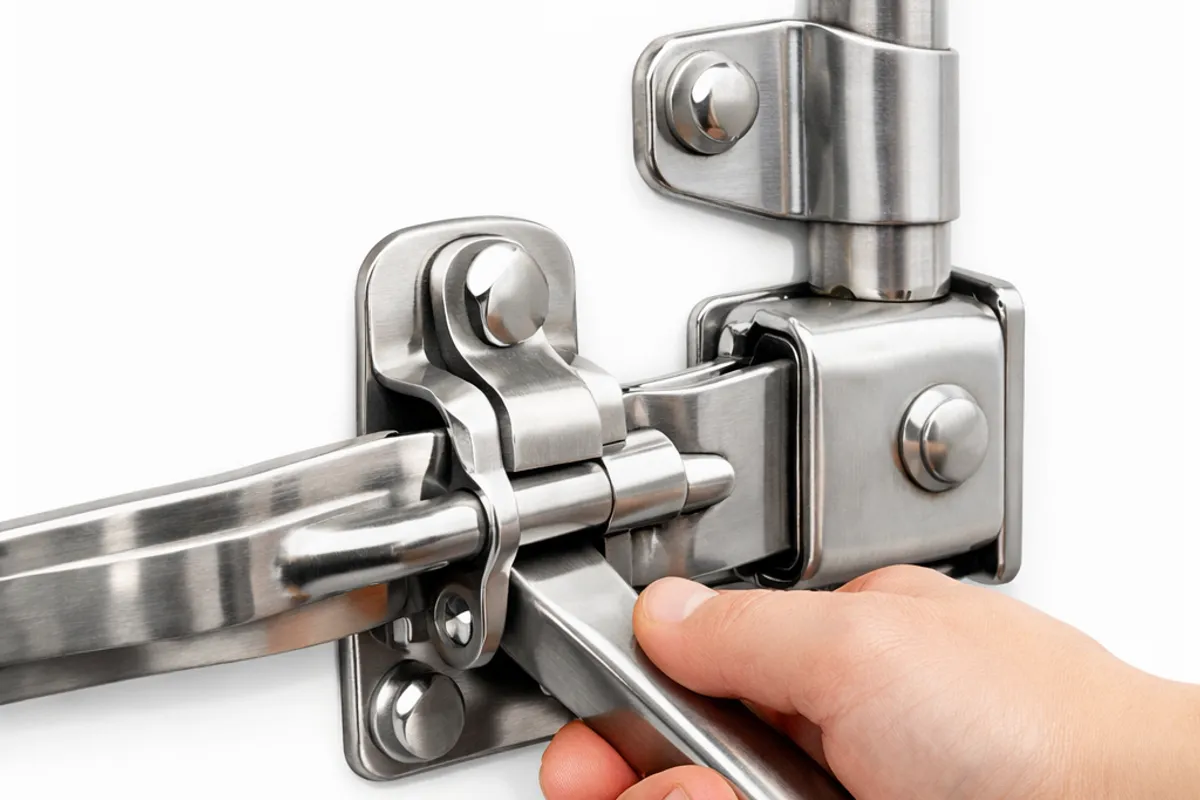
Close the doors and step inside during daylight. If you can see any light coming through the door seams or walls, air and water can get through too. It sounds simple, but it's one of the most reliable field tests available. Finally, check the locking rods and hinges. They should move smoothly and the doors should close without forcing. A door that requires serious effort to latch is a door that's not sealing correctly.
Buying a container is a long-term investment for most Texas homeowners and businesses. The right unit, properly maintained, can last decades and keep everything inside bone dry through whatever the Gulf Coast throws at it. The wrong one becomes an expensive lesson in what to look for next time. Do the homework upfront, ask the right questions, and you'll end up with a unit that earns its keep every single storm season.
Frequently Asked Questions
How do I know if the rubber door gaskets on a used container are still good?
Close the doors, latch them, and step inside during daylight, if you can see light coming through the seams anywhere, the gaskets aren't sealing properly. On a quality unit, the gaskets should compress firmly when the doors are shut, not feel brittle or crumble when you press them. Cracked or missing gaskets are one of the most common ways moisture slowly works its way in and ruins tools, inventory, or anything wood-based stored inside.
Is a one-trip container really worth the extra cost compared to a standard used one?
If keeping moisture out is your main concern, one-trip containers are the strongest option because the seals are fresh, the floors are intact, and the frame hasn't been stacked, dropped, or left sitting on a dock for years. The structural integrity on a one-trip unit is as close to new as you can get without buying new, which matters a lot when you're dealing with Texas storms that bring horizontal rain at 60 miles per hour. For storing electronics, documents, or finished goods, that peace of mind is usually worth the price difference.
What does a warped frame actually mean for keeping rain out?
A warped frame means the doors will never close flush, no matter how good the gaskets are, there will always be a gap somewhere along the seal. You might not notice the problem during a dry stretch in July, but the first major storm will make it obvious fast. That's why physically checking that the doors close and latch without forcing them is one of the most important steps before you buy.
If my container is well-sealed, why do I still need vents?
A perfectly sealed container can actually trap humidity inside, especially during Texas summers, because moisture condenses from the air already in the unit rather than coming through the walls. Vents positioned high on the container walls let air circulate without letting rain in, which keeps the interior dry even when outside temperatures are swinging hard. Without that airflow, you can end up with the same mold and rust problems you were trying to avoid in the first place.
Does the position of the container on my property actually affect how dry it stays inside?
Yes, shade, elevation off the ground, and how the container faces relative to prevailing wind all play a real role in how well it holds up over time. Keeping it elevated reduces the risk of ground-level flooding pushing water under the doors, and positioning it so the doors aren't facing directly into storm winds helps too. These aren't complicated adjustments, but they make a noticeable difference in how the unit performs through a full Texas storm season.
Ready to choose? See our wind and water tight containers, or call or WhatsApp us for a delivered price.
🎧 Listen to this as a podcast
Also on Apple Podcasts, Spotify, and Amazon Music.