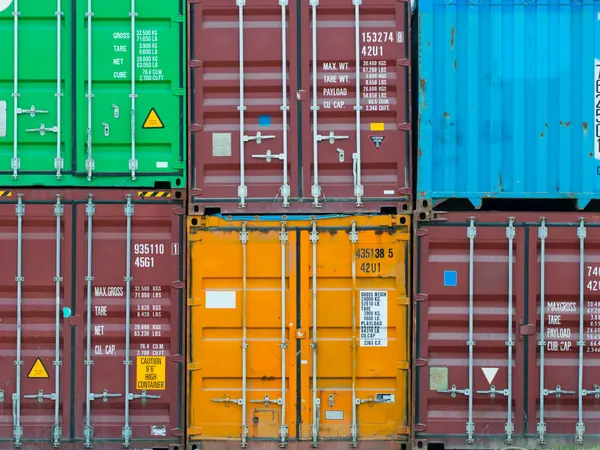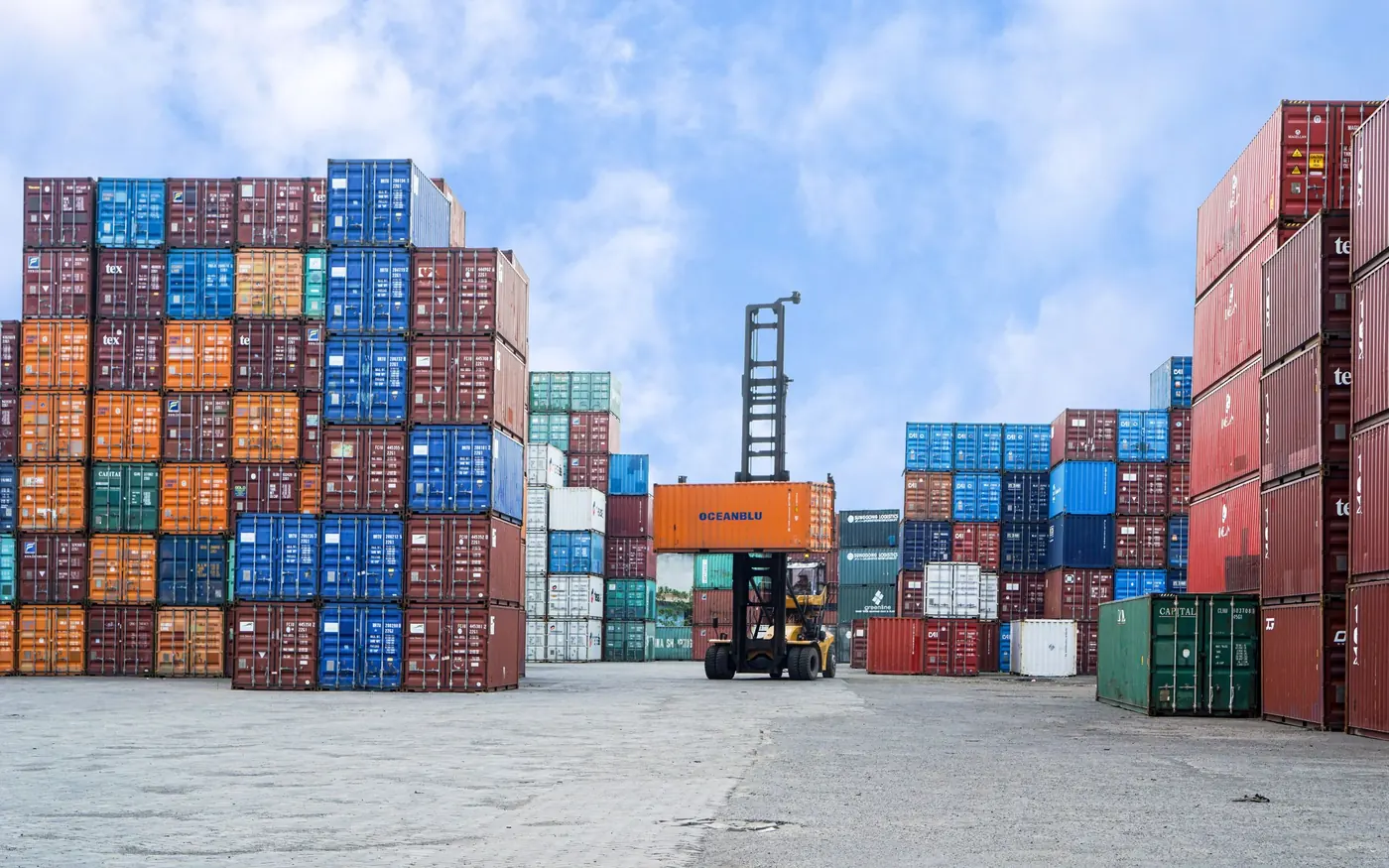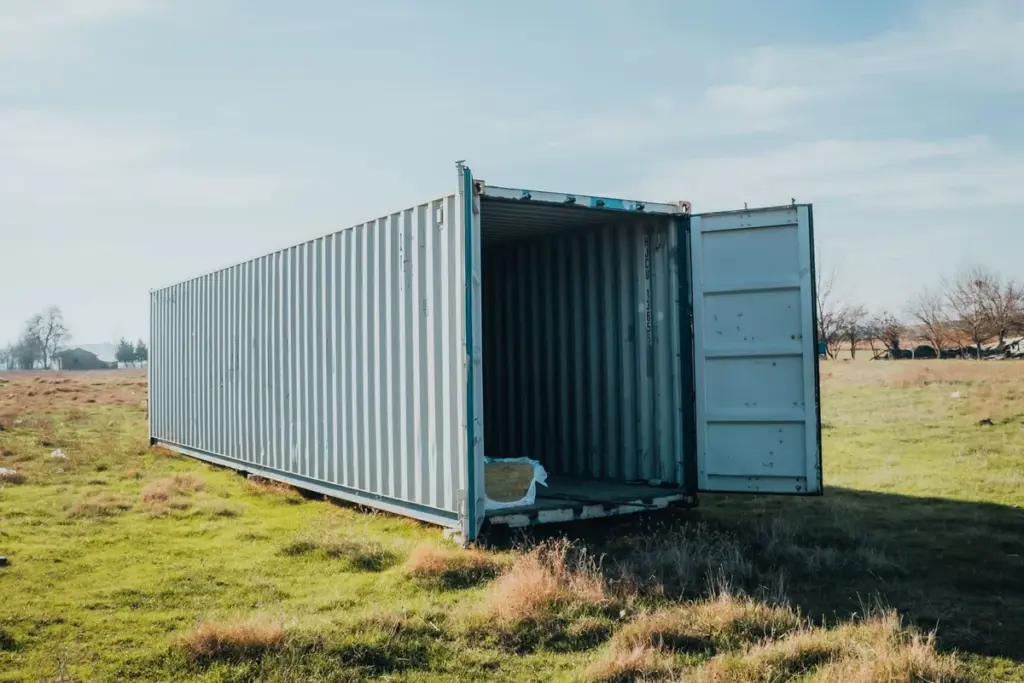
When someone asks about cargo worthy containers Texasthey usually have a specific need in mind, they're moving goods, storing equipment, or setting up a semi-permanent structure on a job site. But here's where a lot of buyers get tripped up: they assume any used shipping container will do the job. That assumption can cost you. A container that looks solid from ten feet away can have hidden rust, compromised seals, or structural damage that makes it completely unsuitable for the task at hand. Knowing what to look for before you sign anything is the difference between a smart purchase and an expensive headache.
What "Cargo Worthy" Actually Means, And Why the Label Matters
The term gets thrown around loosely, but it has a real, specific meaning in the shipping industry. A cargo worthy container has been inspected and certified to meet the standards set by the International Convention for Safe Containers. That certification, often called a CSC plate, tells you the box has been evaluated by a qualified inspector and deemed structurally sound enough to carry freight across international shipping lanes.
That's a higher bar than most people realize. It's not just about whether the roof keeps rain out. The container has to handle stacking loads, rough seas, and the mechanical stress of being lifted by cranes and forklifts. When a container passes that inspection, it gets a data plate riveted to the door that lists its maximum gross weight, stacking capacity, and the date of the last inspection.
If you need a container for basic on-site storage, a cargo worthy rating might not be your top priority. But if you're shipping goods, especially across state lines or internationally, or if you're placing a container in a situation where structural failure would be a safety risk, that certification matters a great deal. Don't skip looking for it.
The Physical Checks That Tell You More Than Any Paperwork
Certifications are a starting point, not a finish line. A container can have an old CSC plate and still be in rough shape. Walk around any unit you're considering and take your time. Here's what to actually look at:
The floor. Step on it. Walk the full length. A soft spot or a bounce underfoot means the hardwood or bamboo flooring has rotted through, which often signals water intrusion from below. Replacing a container floor isn't cheap, and it's a red flag about the overall condition of the unit.
The corner castings. These are the thick steel fittings at each corner that handle all the lifting and stacking loads. Check for cracks, heavy pitting, or welds that look like they've been repaired multiple times. Damaged corner castings are a serious structural concern.
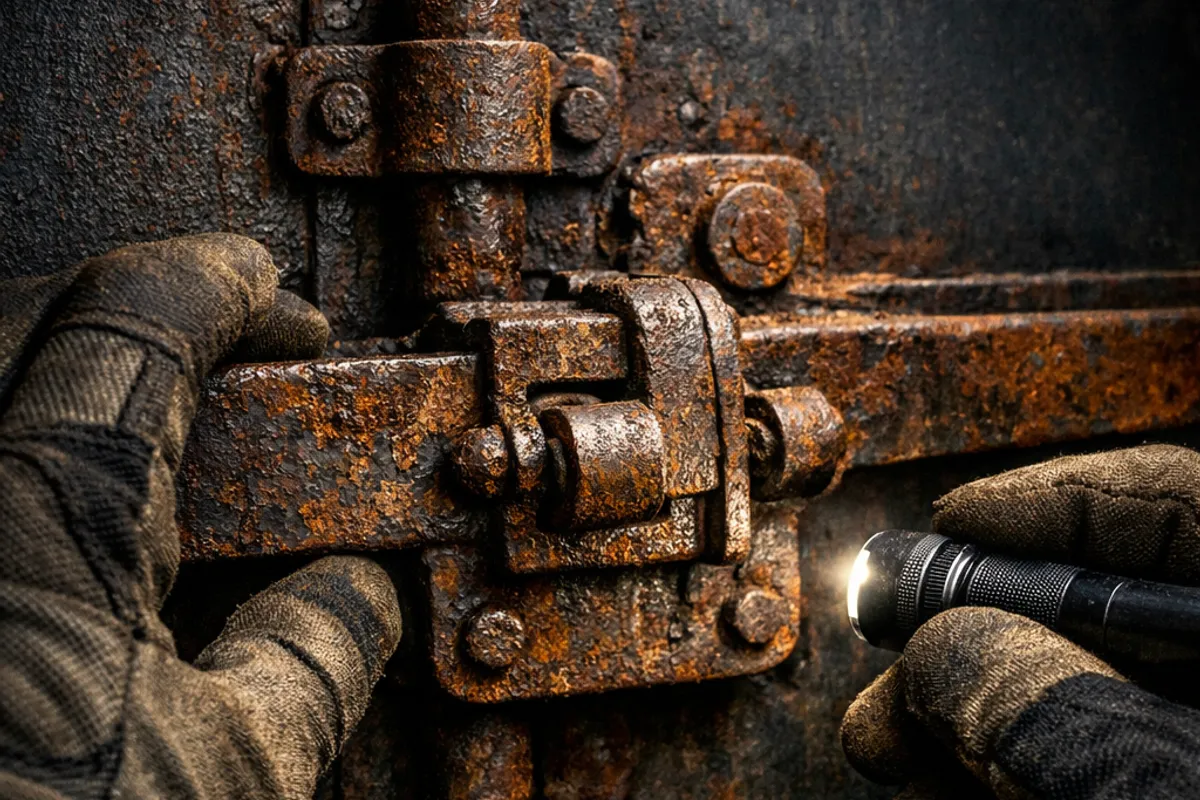
The door seals and locking bars. Open and close the doors fully. They should swing without binding and seal cleanly when shut. Hold a flashlight inside on a sunny day and look for pinpricks of light around the door frame. Light means air, and eventually moisture, gets in.
The roof and side panels. Surface rust on the exterior is common and not always a dealbreaker, but look for rust that has eaten through the steel. Poke at any suspicious areas. A screwdriver shouldn't be able to push through. Check the roof from above if you can, pooled water causes corrosion from the top down.
Customers who've worked with reputable Texas container dealers consistently say the same thing: the ability to inspect a unit in person before buying made all the difference. A company that won't let you look closely at a container before purchase is a company worth walking away from.
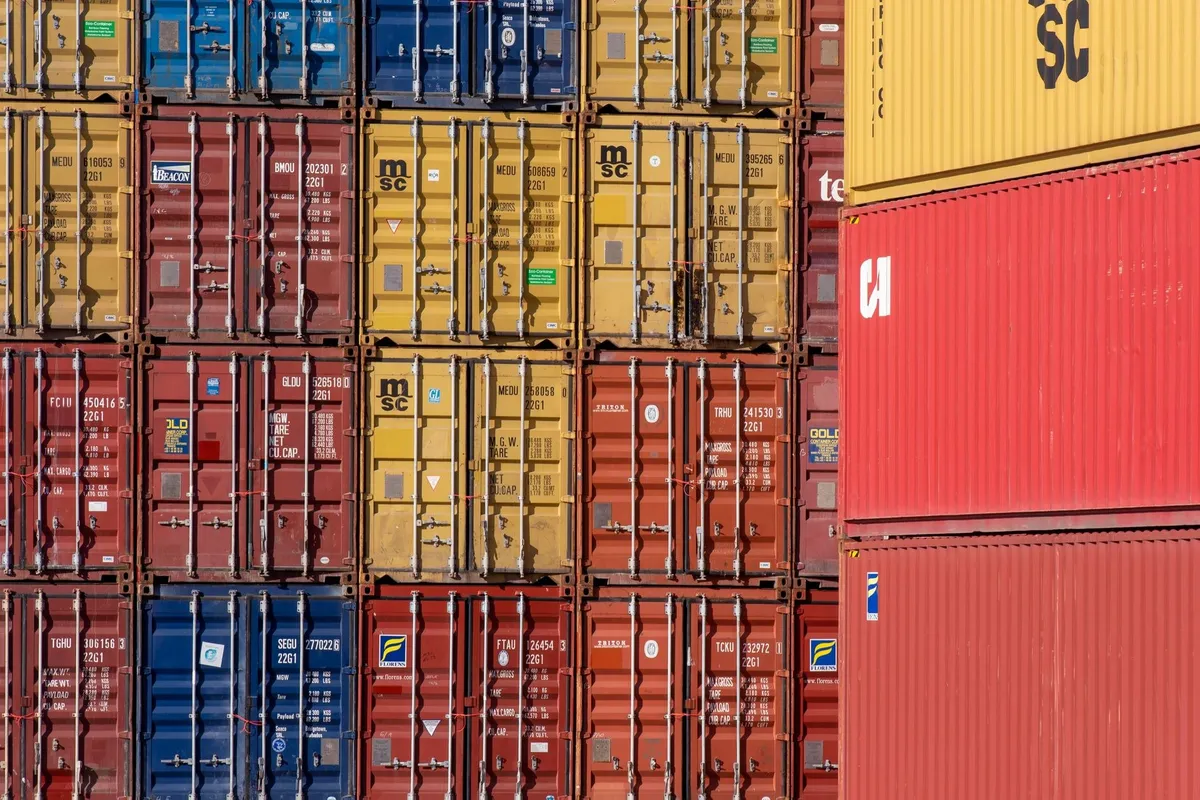
One Grade Does Not Fit All Situations
Texas buyers often don't realize that containers come in distinct grades, and the grade you need depends entirely on what you're doing with it. A detailed breakdown of shipping container grades can help clarify which level of quality makes sense for your specific use case, whether that's active shipping, long-term storage, or a construction project.
Wind and watertight (WWT) containers, for example, are a step below cargo worthy. They'll keep your gear dry and secure on a job site, but they haven't been certified to carry freight. For many Texas buyers, ranchers, contractors, small business owners, WWT is perfectly sufficient and comes at a lower price point. For anyone actively moving goods, you need the full certification.
If you're looking at used shipping containers in the Houston areapay attention to how the seller describes the grade. Vague language like "good condition" or "storage ready" doesn't tell you much. Ask directly: does it have a valid CSC plate? When was the last inspection? A seller who knows their inventory will answer those questions without hesitation.
Texas Conditions Add Another Layer to the Equation
Buying a container in Texas isn't quite the same as buying one in a cooler, drier climate. The Gulf Coast humidity accelerates rust. Extreme heat cycles, scorching summers followed by cold fronts, stress the steel and the door seals over time. A container that held up fine in a Pacific Northwest port yard might show its age faster once it's sitting on a caliche pad in South Texas.
That's why sourcing from a dealer who understands local conditions matters. The team at Cheap Cargo Containers has been placing units across Texas for years and knows which containers are genuinely ready for the demands of this climate, and which ones look better on paper than they are in practice. They're straightforward about what each unit will and won't do, which is exactly what you want when you're making a purchase that's meant to last.
Before you commit to any container, get the inspection details in writing, look at the CSC plate yourself, and don't let anyone rush you through the process. A solid unit is worth taking the time to verify. A bad one will remind you why you should have every single time you open the doors.
Frequently Asked Questions
What exactly is a CSC plate, and where do I find it on the container?
The CSC plate is a metal data plate riveted directly to the container's door that lists the maximum gross weight, stacking capacity, and the date of the last inspection, it's the physical proof that the unit passed a certified structural evaluation. If a seller can't point you to that plate or it's missing entirely, that's a serious red flag worth walking away from. Ask to see it in person before you sign anything, not just a photo someone texted you.
What's the real difference between a wind and watertight container and a fully certified one, and does it matter for my job site in Texas?
A wind and watertight (WWT) container will keep your equipment dry and secure on a job site, but it hasn't been inspected and certified to carry freight, it's a step below full certification. For ranchers, contractors, and small business owners who just need secure on-site storage, WWT is often perfectly sufficient and comes at a lower price. If you're actually shipping goods across state lines or internationally, you need the full certification, not just a container that looks solid.
How does the Texas heat and humidity affect a used container compared to one that sat in a drier climate?
Gulf Coast humidity speeds up rust significantly, and the extreme heat cycles, brutal summers followed by cold fronts, put extra stress on both the steel panels and the door seals over time. A container that held up fine sitting in a Pacific Northwest port yard can show its age much faster once it's parked on a caliche pad in South Texas. That's a real reason to source from a dealer who knows what local conditions do to these units, not just one who's moving inventory from out of state.
What should I actually do when I walk up to inspect a used container in person?
Walk the full length of the floor and feel for soft spots or bounce underfoot, which signals rotted flooring and likely water intrusion from below. Check the corner castings, the thick steel fittings at each corner, for cracks, heavy pitting, or signs of repeated weld repairs, since those handle all the lifting and stacking loads. On a sunny day, take a flashlight inside and look for pinpricks of light around the door frame, because any light getting through means moisture will eventually follow.
If a seller just describes a container as "good condition" or "storage ready," should I take that at face value?
No, vague language like that doesn't tell you the grade, the inspection history, or whether a valid CSC plate is even attached to the doors. Ask directly when the last inspection was done and whether the unit has a current plate; a seller who actually knows their inventory will answer those questions without hesitating. If they can't give you straight answers or they try to rush you through the process, that's your signal to keep looking.
🎧 Listen to this as a podcast
Also on Apple Podcasts, Spotify, and Amazon Music.