
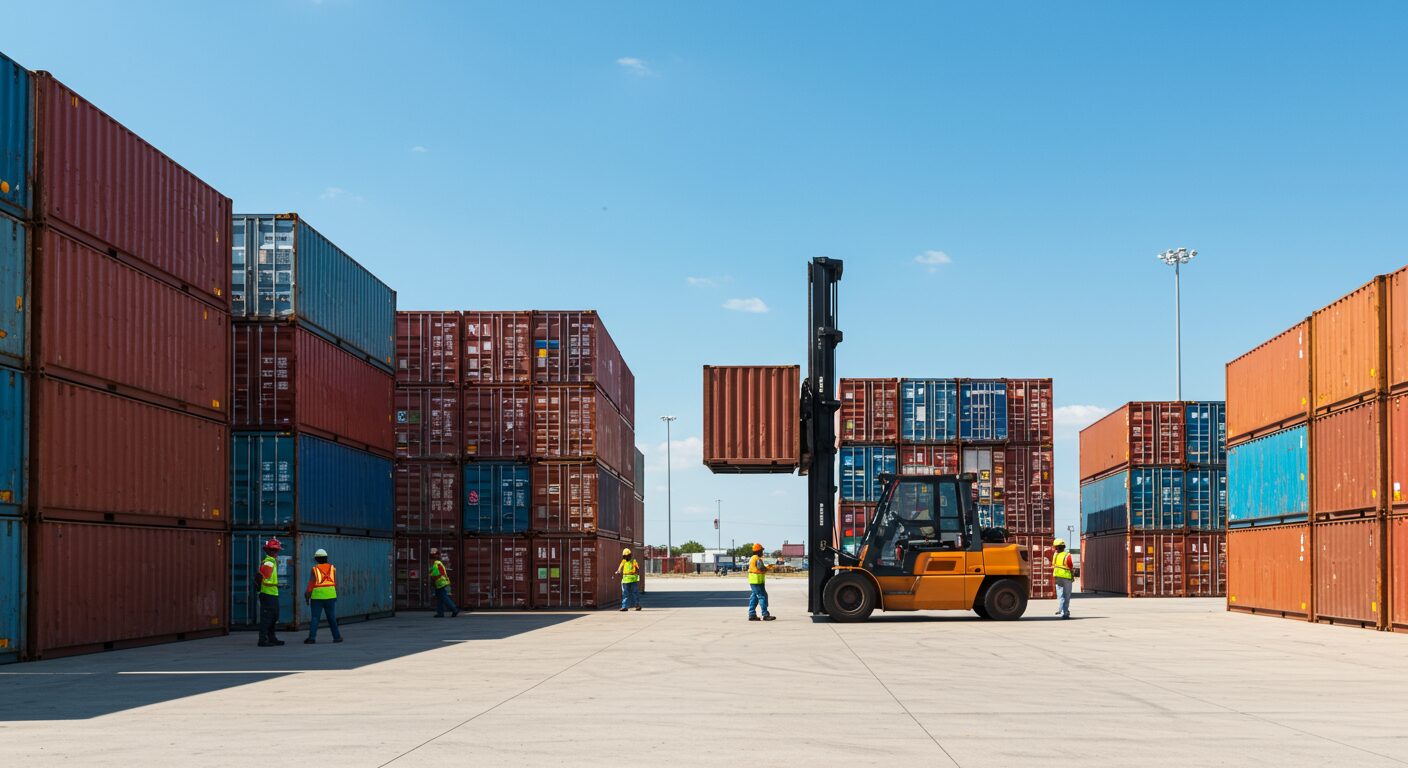
Beat the Heat: How Cheap Cargo Containers Can Help You This Summer in Texas
When the Texas sun starts beating down and temperatures climb past 100 degrees, you need storage solutions that can handle the heat without breaking your budget. That’s where cheap cargo containers in Texas become more than just a practical choice—they become a lifeline for homeowners, businesses, and anyone looking to reclaim their space during the hottest months of the year. While everyone else is scrambling for climate-controlled storage units at premium prices, savvy Texans are discovering that steel containers offer something better: durability, affordability, and the flexibility to place them exactly where you need them.
Here’s what nobody tells you about summer storage in Texas: traditional storage facilities jack up their prices when demand peaks. You’re not just paying for space—you’re paying for air conditioning, security systems, and the convenience of someone else’s schedule. A steel container on your property? That’s yours, on your terms, without the monthly rent increases.
Why Steel Containers Actually Thrive in Texas Heat
There’s a common misconception that metal containers turn into ovens during Texas summers. The truth is more nuanced. Yes, an unmodified container will get hot—but so will any storage space without active cooling. The difference is what you can do about it.
Steel containers are built to withstand ocean voyages, hurricanes, and decades of exposure to salt air. A Texas summer, while intense, is well within their design parameters. The corrugated steel construction actually provides structural advantages that wood or plastic alternatives can’t match. They don’t warp, crack, or deteriorate when exposed to UV rays and temperature swings.
What makes containers particularly valuable during summer months is their adaptability. Need to store lawn equipment, seasonal decorations, or inventory that doesn’t require climate control? A standard container works perfectly as-is. Planning to store temperature-sensitive items? Adding insulation and ventilation is straightforward and still costs less than months of climate-controlled rental fees.
The team at Cheap Cargo Containers has been helping Texas property owners make smart storage decisions for years, and they’ve seen firsthand how containers outperform traditional options when the mercury rises. Located right here in Texas, they understand the specific challenges our climate presents and can recommend solutions that actually work in real-world conditions.
The Real Cost of Summer Storage (And How to Avoid Overpaying)
Let’s talk numbers. The average climate-controlled storage unit in Texas runs between $150 and $300 per month, depending on size and location. Over a year, that’s $1,800 to $3,600—and you own nothing at the end. A quality used container? You can find options starting around $2,000 to $3,500 for a 20-foot unit. Do the math: you break even in less than two years, and after that, it’s yours free and clear.
But the financial advantage goes deeper than simple rent-versus-buy calculations. When you control your storage, you control your costs. No surprise rate increases. No access fees. No requirements to purchase their locks or insurance. You decide if and when to add modifications like shelving, lighting, or ventilation.
Summer is actually one of the best times to purchase. While spring sees a rush of buyers preparing for seasonal needs, the summer heat keeps casual shoppers away. That means better selection and more room for negotiation. Sellers know their inventory is sitting in the sun, and motivated sellers make deals.
For businesses especially, the economics become even more compelling. That container sitting on your property isn’t just storage—it’s a business asset. You can depreciate it, modify it for specific purposes, and relocate it if your needs change. Try doing any of that with a rented storage unit.
Smart Modifications That Make Summer Storage Work
The beauty of owning your container is the ability to customize it for Texas conditions. You’re not stuck with whatever features come standard—you can adapt the space to match exactly what you need to store.
Ventilation is the first consideration for summer use. Adding whirlybird vents to the roof costs less than $100 and creates natural air circulation that prevents moisture buildup and reduces interior temperatures. For items that need more protection, battery-powered ventilation fans run for months on a single charge and move enough air to keep things from getting stuffy.
Insulation transforms a container from basic storage to a genuinely protected environment. Spray foam insulation on the ceiling and walls can reduce interior temperatures by 20-30 degrees without any active cooling. Combined with reflective paint on the exterior, you create a surprisingly comfortable storage environment that protects everything from tools to archived documents.
Shelving and organization systems designed for containers maximize your usable space. When you’re working in a confined area during hot weather, efficient organization means less time digging through boxes and more time in the air conditioning. Heavy-duty shelving units rated for container use can support hundreds of pounds and keep your stored items accessible year-round.
The key is matching modifications to your actual needs. Storing construction materials? Basic ventilation is plenty. Keeping sensitive electronics or documents? Invest in insulation and consider a small dehumidifier. Choosing the right setup from the start saves money and headaches down the road.
What Customers Wish They’d Known Before Buying
After years in this business, patterns emerge in what people say after they’ve owned a container for a season or two. The most common regret? Not buying sooner. People spend months or years paying storage rental fees, thinking a container purchase is complicated or expensive, when the reality is far simpler.
Site preparation is easier than most people expect. You don’t need a concrete pad—level ground with gravel or concrete blocks works fine for most applications. The container itself is weatherproof, so you’re not racing against the clock for installation like you would with a traditional shed or building.
Size matters more than people think. The temptation is to go smaller to save money, but a 20-foot container costs only slightly more than a 10-foot unit and provides dramatically more usable space. When you’re trying to organize storage during the chaos of summer cleaning or business inventory shifts, that extra room becomes invaluable. You can learn more about maximizing your budget while still getting the space you actually need.
Placement is permanent enough to matter. Once a loaded container is on your property, moving it requires equipment and expense. Think through access, drainage, and how you’ll use the space before delivery. That ten minutes of planning saves hours of frustration later.
The condition of used containers varies more than people expect. “Used” can mean anything from a single ocean voyage to decades of hard service. Reputable sellers are transparent about condition and history. If someone won’t let you inspect before buying or can’t answer basic questions about the container’s background, that’s your signal to walk away.
Summer in Texas demands practical solutions, not expensive compromises. Steel containers deliver both affordability and performance when you need storage that works as hard as you do. Whether you’re clearing out a garage, organizing business inventory, or finally tackling that storage unit you’ve been renting for years, the right container at the right price changes everything. The heat isn’t going anywhere—but your storage problems can.
Frequently Asked Questions About Cheap Cargo Containers
What is the average cost of a cheap cargo container in Texas?
In Texas, you can find used 20-foot cargo containers starting around $1,500 to $2,500, while 40-foot containers typically range from $2,500 to $4,000. Prices vary based on condition, location, and current market demand. One-trip containers or those in premium condition will cost more, but you can find excellent deals on wind and watertight units that are structurally sound and perfect for storage or conversion projects.
Are cheap cargo containers in good enough condition for long-term use?
Yes, many affordable cargo containers in Texas are in excellent condition for long-term use. “Cheap” doesn’t necessarily mean poor quality—it often refers to used containers that have completed their shipping lifecycle but remain structurally sound. Look for containers graded as “cargo worthy” or “wind and watertight” which ensure they’re weather-resistant and secure. These containers can last 25+ years with minimal maintenance, making them ideal for storage, workshops, or even tiny home conversions.
Can I get a cargo container delivered anywhere in Texas?
Most cargo container suppliers in Texas offer delivery throughout the state, though delivery fees vary based on distance from their depot and accessibility of your location. Major cities like Houston, Dallas, Austin, and San Antonio typically have lower delivery costs due to proximity to ports and distribution centers. Rural areas may incur higher delivery fees, usually ranging from $150 to $500 depending on distance, so always request a full quote including delivery before purchasing.
Do I need a permit to place a cargo container on my Texas property?
Permit requirements for cargo containers vary significantly by city and county in Texas. Many residential areas require permits if you’re using the container as a permanent structure or dwelling, while temporary storage may have fewer restrictions. Some HOAs prohibit visible containers entirely. It’s essential to check with your local building department and review any HOA regulations before purchasing. Commercial and rural properties typically have more lenient requirements than residential neighborhoods.
What should I inspect before buying a cheap cargo container?
Before purchasing, thoroughly inspect the container for rust, especially on the floor and corner posts, as these are structural weak points. Check that all doors open and close properly with functioning locking mechanisms, and look for holes or gaps that could let in water or pests. Inspect the roof for dents or damage that might cause pooling water, and verify the container sits level. If buying sight-unseen, request detailed photos and ask about the container’s grade or condition rating to ensure you’re getting a quality unit.
Leave a Reply