Cheap Cargo Containers Texas: What Smart Buyers Know That You Don't
There's a reason more Texans are searching for cheap cargo containers in Texas than ever before, and it's not just about saving money. It's about finding a practical, durable solution that actually holds up against the demands of Texas life, whether that's brutal summer heat, unpredictable storms, or the sheer scale of space that comes with owning land out here. But here's the thing: a lot of buyers walk into this process without knowing what separates a genuinely good deal from a purchase they'll regret six months down the road.

The Price Tag Doesn't Tell the Whole Story
When people start shopping for affordable shipping containers, the first instinct is to sort by lowest price and call it a day. That's understandable, but it's also how buyers end up with a unit that has structural rust, compromised doors, or a floor that won't hold the weight they need it to.
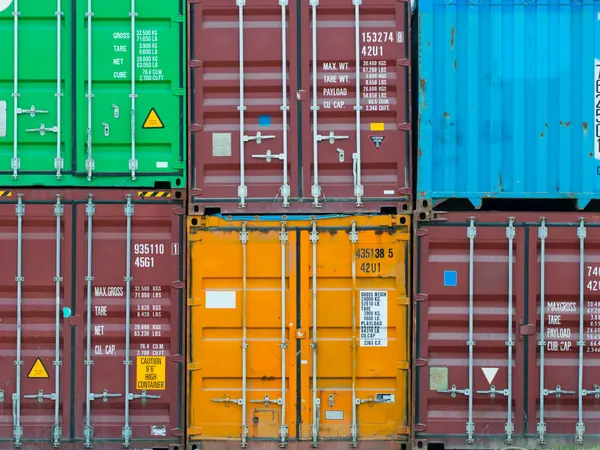
The smarter move is to understand container grading before you commit to anything. A "used" container can mean a unit that made two ocean crossings and is still in excellent shape, or it can mean one that's been sitting in a port yard for a decade collecting damage. Reputable sellers will be upfront about condition grades, typically labeled as cargo-worthy, wind and water tight, or as-is. Each tier comes with a different price point and a different set of expectations.
If a seller can't clearly explain the condition of what they're selling, that's a red flag. Transparent pricing paired with honest condition reporting is the baseline you should expect. Explore container options available across Texas to get a clearer picture of what fair market pricing actually looks like right now.
Size Decisions That Most Buyers Get Wrong the First Time
The two most common sizes you'll run into are 20-foot and 40-foot containers. Most first-time buyers assume they need the larger option, then realize they've paid for space they don't use, or worse, they go smaller and immediately wish they hadn't.
Here's a practical way to think about it: a 20-foot container holds roughly the contents of a two-bedroom home. A 40-foot container is closer to a three-car garage's worth of space. If you're storing equipment, seasonal inventory, or construction materials, map out what you're actually putting inside before you decide on length.
Standard height containers run about 8.5 feet tall on the interior. High-cube containers give you an extra foot of vertical clearance, which matters more than people expect once you're loading pallets or larger equipment. That extra foot is often worth the modest price difference, especially for business use.
For anyone tackling a project, whether it's a backyard workshop, a farm storage solution, or an on-site construction office, thinking through the size question carefully upfront saves real money. If you're in the planning stage, this guide on how to choose the right container for your needs breaks it down in plain terms.
Why Delivery Logistics Matter More Than Most People Expect
You found a great price. The container is in solid condition. Now comes the part that catches a lot of buyers off guard: getting it to your property and placed exactly where you need it.
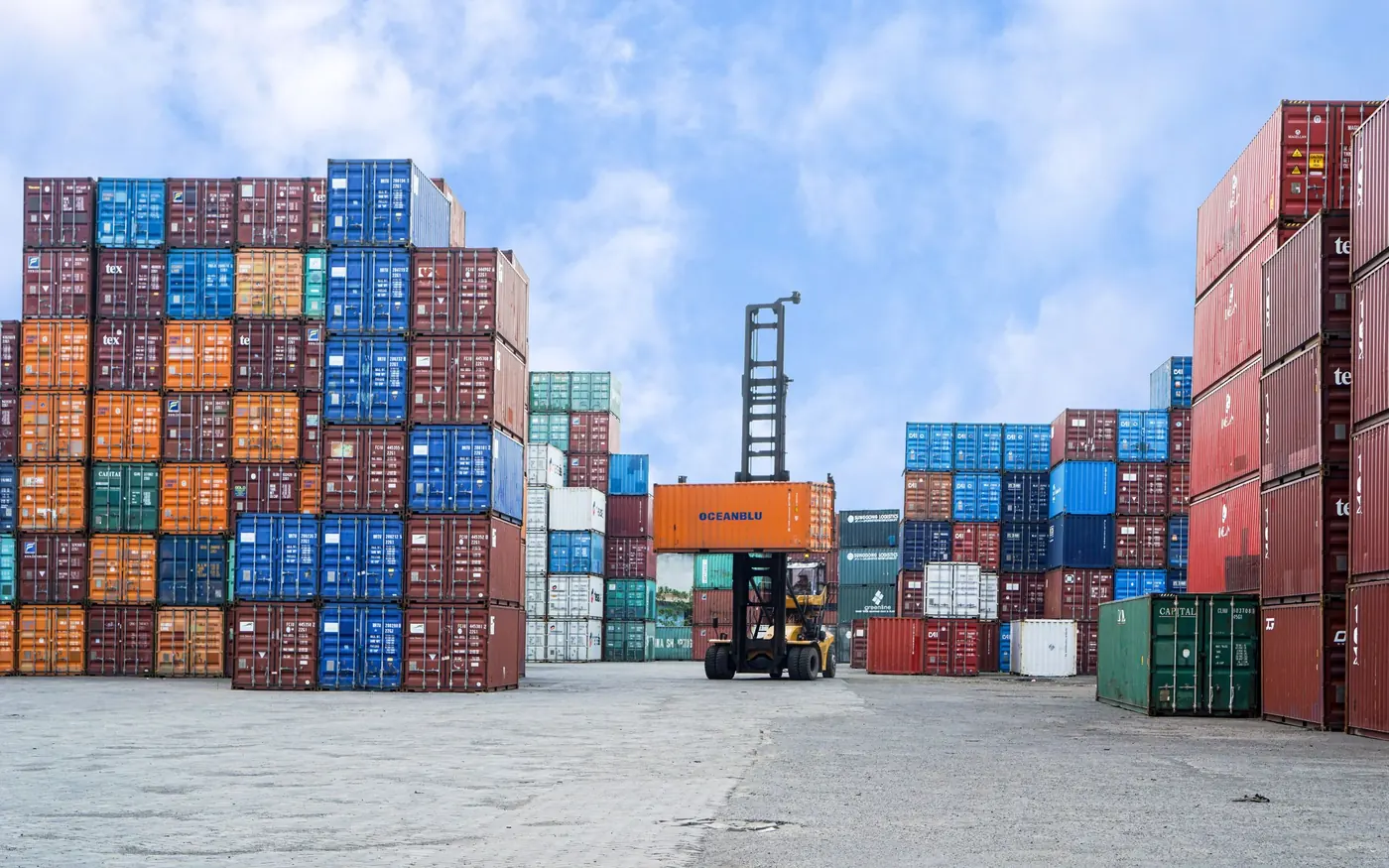
Delivery for a shipping container isn't like scheduling a furniture drop-off. You need enough clearance for a tilt-bed or roll-off truck to maneuver, which typically means at least 100 feet of straight approach. Low-hanging power lines, soft ground after rain, and tight gate entries can all create problems that cost time and money to sort out.
Before your delivery date, walk your property and honestly assess the access. Measure your gate width. Check whether the ground where you're placing the container is level enough, a container sitting on uneven ground will have door alignment issues over time. Some buyers use railroad ties or concrete blocks as a simple foundation to keep things level and off the soil.
Working with a local Texas supplier who knows the terrain and has experience with rural and suburban placements makes a real difference here. Customers who've worked with established local providers consistently mention that the delivery and placement process went smoothly because the team knew what they were doing, that kind of operational experience is hard to put a price on.
The Modifications Question: Plan Ahead or Pay More Later
One of the most common things buyers wish they'd thought about earlier is modifications. A basic container is a steel box with doors on one end. That's useful on its own, but many people eventually want electricity, ventilation, shelving, windows, or an additional entry point, and retrofitting those things after the fact is always more expensive than planning for them upfront.
If you have any sense that you'll want to convert or modify your container down the road, talk to your supplier before you buy. Some modifications are straightforward and relatively affordable when done at the point of purchase or shortly after. Others, like cutting a roll-up door into the side, require welding and structural reinforcement that adds up quickly if it's not part of the original plan.
Texas buyers are also putting containers to creative use far beyond basic storage. From backyard studios to mobile retail setups to emergency preparedness storage, the applications keep expanding. If you're curious about what's possible, this look at innovative container uses is worth your time before you finalize what you're buying and why.
The bottom line is straightforward: the buyers who get the most value from their containers are the ones who do a little homework before they hand over any money. Know the condition grades, think carefully about size, plan your delivery logistics, and have a clear picture of any modifications you might want. Do those four things and you'll be in a much stronger position than most people who walk into this process cold. Reach out to the team to talk through your specific situation before you buy.
Frequently Asked Questions
What do the condition grades like "cargo-worthy" or "wind and water tight" actually mean when I'm buying a used container in Texas?
Cargo-worthy means the container has been inspected and certified to safely transport goods, it's typically in the best shape of the used options and priced accordingly. Wind and water tight means the unit will keep weather out but may have cosmetic damage or minor structural wear that disqualifies it from active shipping use. As-is containers are the lowest tier and can vary wildly in condition, so if a seller can't explain exactly what you're getting with that label, walk away.
How do I figure out whether a 20-foot or 40-foot container is the right size for what I'm storing?
A 20-foot container holds roughly the contents of a two-bedroom home, while a 40-foot is closer to a three-car garage's worth of space, so start by physically mapping out what you're putting inside before you decide. A lot of first-time buyers go bigger than they need and pay for space they never use, or go smaller and immediately regret it. If you're storing pallets or taller equipment, also look at high-cube containers, which give you an extra foot of interior height for a modest price difference.
My property has a narrow gate and the ground gets soft after rain, is delivery going to be a problem?
Yes, those are exactly the kinds of things that cause delivery headaches, so it's worth sorting them out before your scheduled drop-off date. Tilt-bed and roll-off trucks typically need at least 100 feet of straight approach to place a container, and soft ground can make that impossible or cause the truck to get stuck. Measure your gate width ahead of time and consider placing railroad ties or concrete blocks where the container will sit to keep it level and off the soil.
If I think I might want to add electricity or a side door later, should I wait until after I buy to figure that out?
No, plan for modifications before you buy, not after, because retrofitting is always more expensive than building it into the original plan. Cutting a roll-up door into the side of a container requires welding and structural reinforcement, and that cost adds up fast if it wasn't accounted for upfront. Tell your supplier what you're thinking about before you commit, and they can walk you through what's practical to do at the point of purchase versus what will cost significantly more later.
Does a container sitting on uneven ground actually cause real problems, or is that something people just worry about unnecessarily?
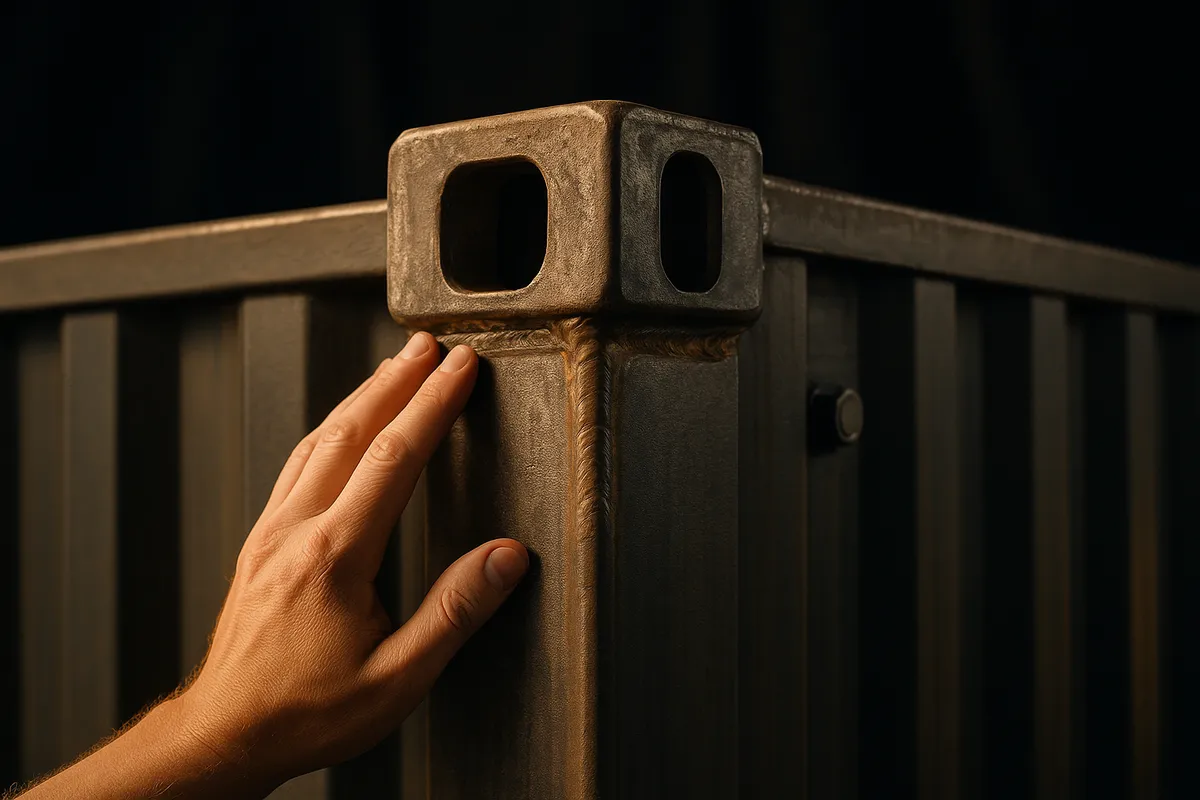
It causes a real, specific problem: the doors go out of alignment and eventually won't open or close properly, which is a serious issue if you're accessing the container regularly. The steel frame is designed to bear weight at the corner castings, so if the ground shifts or settles unevenly underneath, the whole structure can rack slightly over time. Leveling the placement surface before delivery, even with something as simple as concrete blocks, prevents that problem entirely.
Ready to choose? See our storage containers, or call or WhatsApp us for a delivered price.