
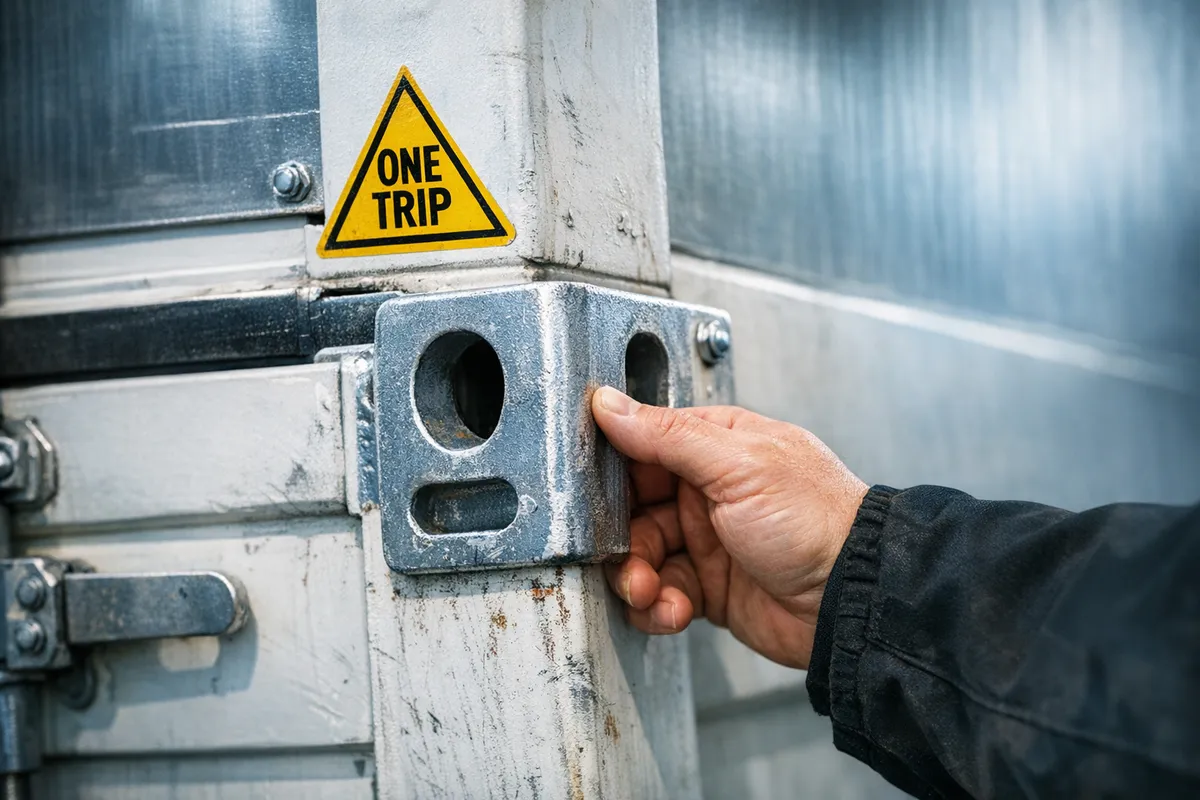
If you’ve been shopping for storage or a container-based project, you’ve probably come across the term one trip shipping containers Texas buyers keep raving about, and for good reason. These units have made a single ocean voyage from a manufacturer, typically in Asia, to a U.S. port. That’s it. One trip. After that, they’re sold here in Texas, and the difference in quality compared to older, heavily used containers is significant enough that once people see it, they rarely go back.
What Makes a Container “One Trip”, and Why It Actually Matters
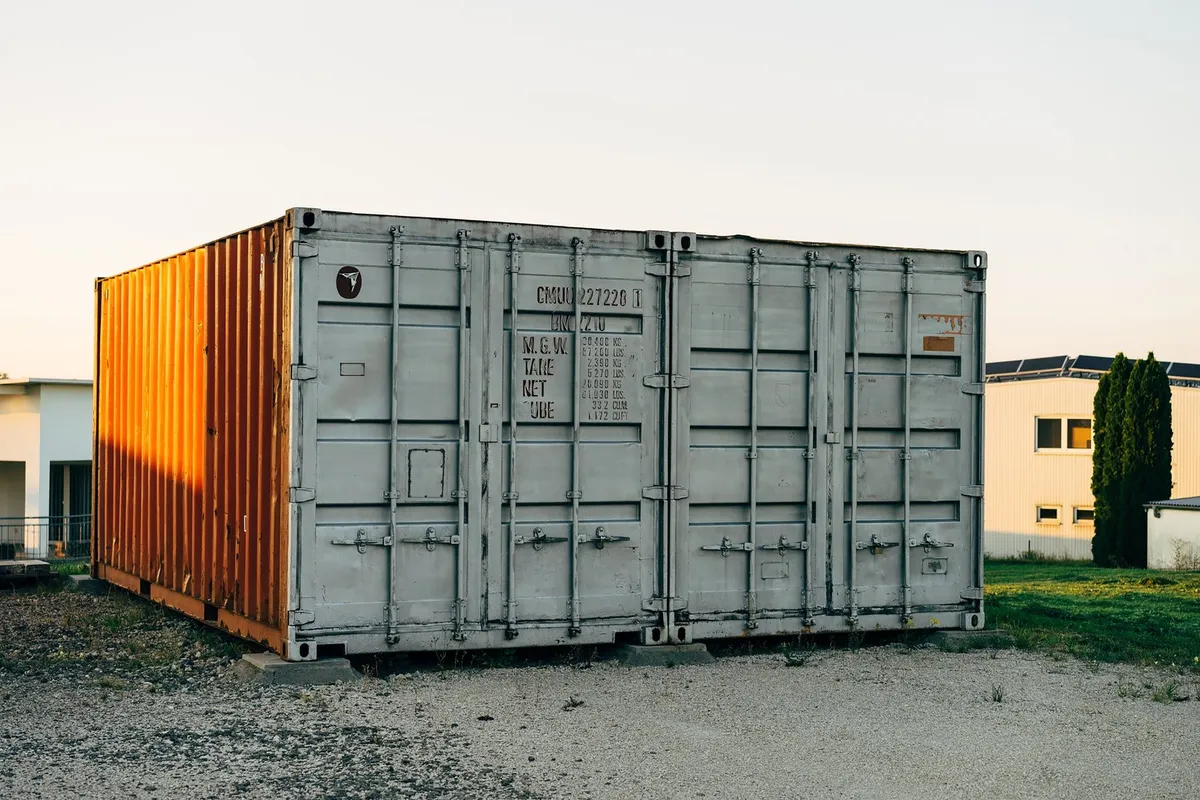
Most containers you’ll find on the market have spent years bouncing between ports, stacked on cargo ships, dragged across docks, and exposed to every kind of weather imaginable. By the time they reach a buyer, they’ve got dents, rust patches, questionable floor conditions, and sometimes odors from whatever was stored inside them over the years.
A single-voyage container is a completely different story. The floors are clean and structurally sound. The doors swing open and seal properly. The walls are straight. The paint is fresh. For anyone building a workshop, a pop-up retail space, a backyard studio, or even a custom home addition, that condition matters enormously. You’re not starting a project by first spending money on repairs and decontamination, you’re starting from a genuinely clean slate.
Farmers, contractors, and small business owners across Texas have caught on to this. When you’re storing equipment worth tens of thousands of dollars, or running a business out of a converted container, you want to know the structure you’re working with is solid from day one.
The Texas Factor, Why Condition Matters More Here Than Most Places
Texas is not a gentle climate for metal structures. The combination of summer heat, Gulf Coast humidity in the east, and the occasional severe storm means that a container already weakened by years of hard use is going to deteriorate faster here than it would in, say, Colorado. Rust spreads. Seals fail. Floors that were already soft get worse.
That’s why buying a nearly-new container in Texas isn’t just about aesthetics, it’s a practical decision with long-term financial consequences. A unit that arrives in excellent condition and gets properly maintained can last decades in the Texas climate. One that arrives already compromised might look fine for a year or two before problems start showing up in ways that are expensive to fix.
If you’re thinking about a larger investment like a 40-foot containerthe condition argument becomes even stronger. You’re committing to a significant piece of infrastructure. Starting with the best possible base just makes sense.
Price vs. Value, Getting This Calculation Right
Here’s where a lot of buyers get tripped up. They see a used container listed for a few hundred dollars less than a nearly-new one and assume they’re getting a deal. Sometimes that’s true. Sometimes it’s not even close.
Consider what “used” can actually mean in the container world. A unit that’s been in service for ten or fifteen years has likely had multiple owners, carried cargo ranging from food products to industrial chemicals, and been repaired in ways that aren’t always visible on a quick inspection. The floor alone, typically tropical hardwood, can be compromised in ways that only become apparent after you’ve put weight on it.
A nearly-new container costs more upfront, but it typically requires less immediate maintenance, holds its resale value better, and gives you a predictable starting point for any modifications. For Texas buyers doing creative builds and conversionsthat predictability is worth real money. Cutting into walls, adding windows, running electrical, all of that goes smoother when you know exactly what you’re working with.
Customers who’ve gone through this process often say the same thing: they wish they’d understood the true cost difference earlier, because the premium for a nearly-new unit is smaller than the repair and modification headaches they avoided.
How to Shop Smart and Avoid Getting Burned
Not every seller uses the term “one trip” the same way. Some use it loosely to mean “relatively new” or “lightly used,” which is not the same thing. When you’re shopping, it’s worth asking direct questions: How many times has this container been loaded? Where did it come from? What was it used to transport?
A reputable dealer will be able to answer those questions clearly. At Cheap Cargo Containers, serving customers across Texas, the inventory is sourced with transparency in mind, buyers can get straight answers about what they’re purchasing rather than vague assurances about condition.
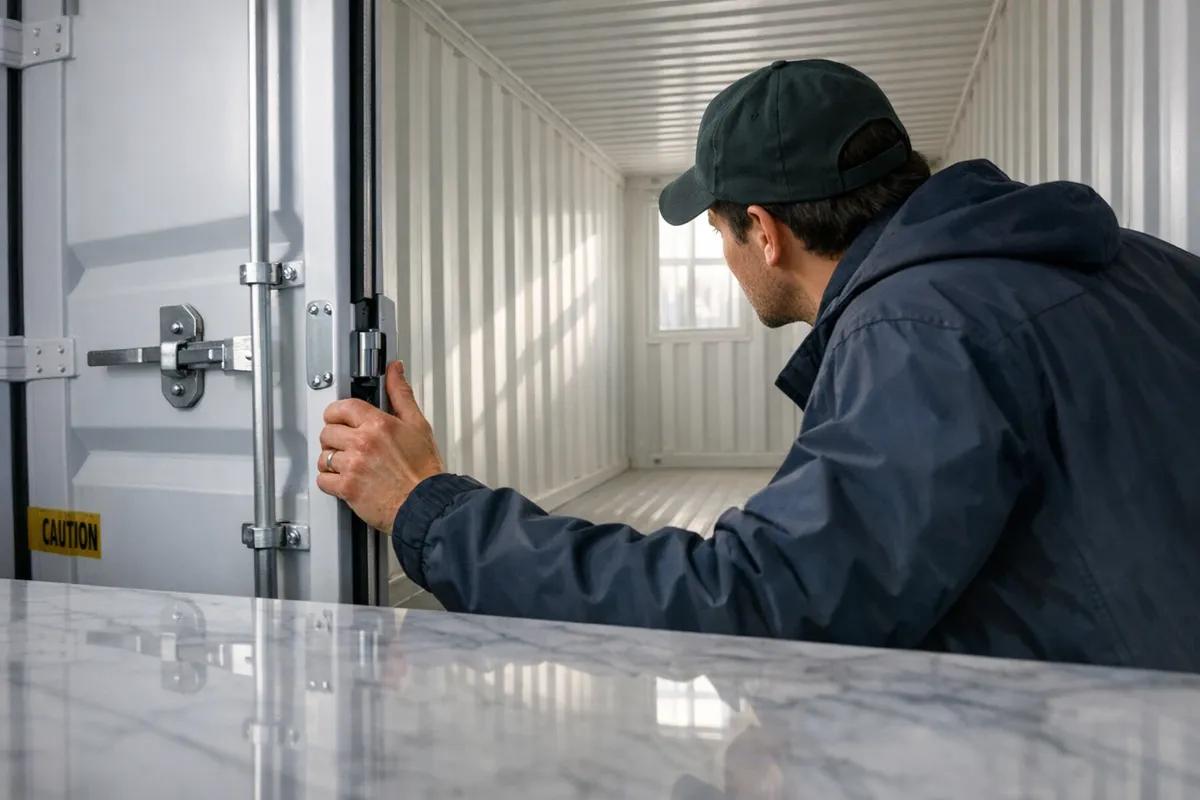
It’s also worth inspecting the container in person before committing, or at minimum requesting detailed photos of the floor, door seals, and interior walls. Check the corners for rust. Open and close the doors. Look at the condition of the locking rods. These things tell you a lot about how the unit was actually treated.
If you’re in the Houston area, local inventory options make it easier to inspect before you buy, which is always the smarter move over purchasing sight unseen from a distant seller.
The bottom line is this: the container market in Texas is active and competitive, and there are genuinely good deals to be found. But the best deal isn’t always the lowest price. It’s the unit that performs the way you need it to, holds up in the Texas climate, and doesn’t surprise you with problems three months after delivery. Nearly-new containers, when sourced carefully, check all of those boxes.
Frequently Asked Questions
How can I tell if a seller is actually using the term “one trip” correctly, or just using it loosely to move inventory?
Ask the seller directly how many times the container was loaded, where it originated, and what it was used to transport, a reputable dealer should be able to answer all three without hesitation. If you get vague answers like “lightly used” or “like new” without specifics, that’s a red flag worth taking seriously. Inspecting in person, or at minimum getting detailed photos of the floor, door seals, interior walls, and locking rods, will tell you more than any description will.
Is the price difference between a nearly-new container and an older used one really that significant in Texas?
The upfront gap is often just a few hundred dollars, but that number doesn’t tell the whole story, older containers can arrive with soft floors, failing door seals, and rust that spreads fast in Texas heat and humidity, all of which cost money to fix. The tropical hardwood floors common in these containers can be compromised in ways that aren’t obvious until you put weight on them. Buyers who’ve gone through the process often say the premium for a nearly-new unit was smaller than the repair headaches they ended up avoiding.
Why does the Texas climate specifically make container condition more important than it might be in other states?
Texas combines intense summer heat, Gulf Coast humidity in the eastern part of the state, and occasional severe storms, conditions that accelerate deterioration in metal structures that are already weakened. Rust spreads faster, seals fail sooner, and floors that were already soft when delivered will get worse quickly under those conditions. A container that arrives in solid shape and gets properly maintained can last decades here; one that arrives already compromised may look acceptable for a year or two before expensive problems surface.
Does container condition actually matter if I’m just using it for basic storage and not doing any kind of conversion or build?
Yes, especially if you’re storing equipment worth significant money, farmers and contractors across Texas have learned this the hard way when a compromised floor or failing seal damages what’s inside. Even for straightforward storage, a container with questionable door seals lets in moisture, which is a serious problem in humid parts of Texas. Starting with a structurally sound unit means you’re not dealing with those surprises down the road.
If I’m planning modifications like cutting in windows or running electrical, does the container’s condition actually affect how that work goes?
It does, because when you’re cutting into walls or working with the structure, you need to know exactly what you’re dealing with, walls that are straight and undamaged make that work predictably straightforward. A container that’s been through years of hard use may have repairs or damage that aren’t visible until you start opening things up, which adds time and cost to the project. The article specifically points out that for creative builds and conversions, that predictability is worth real money.
Leave a Reply