
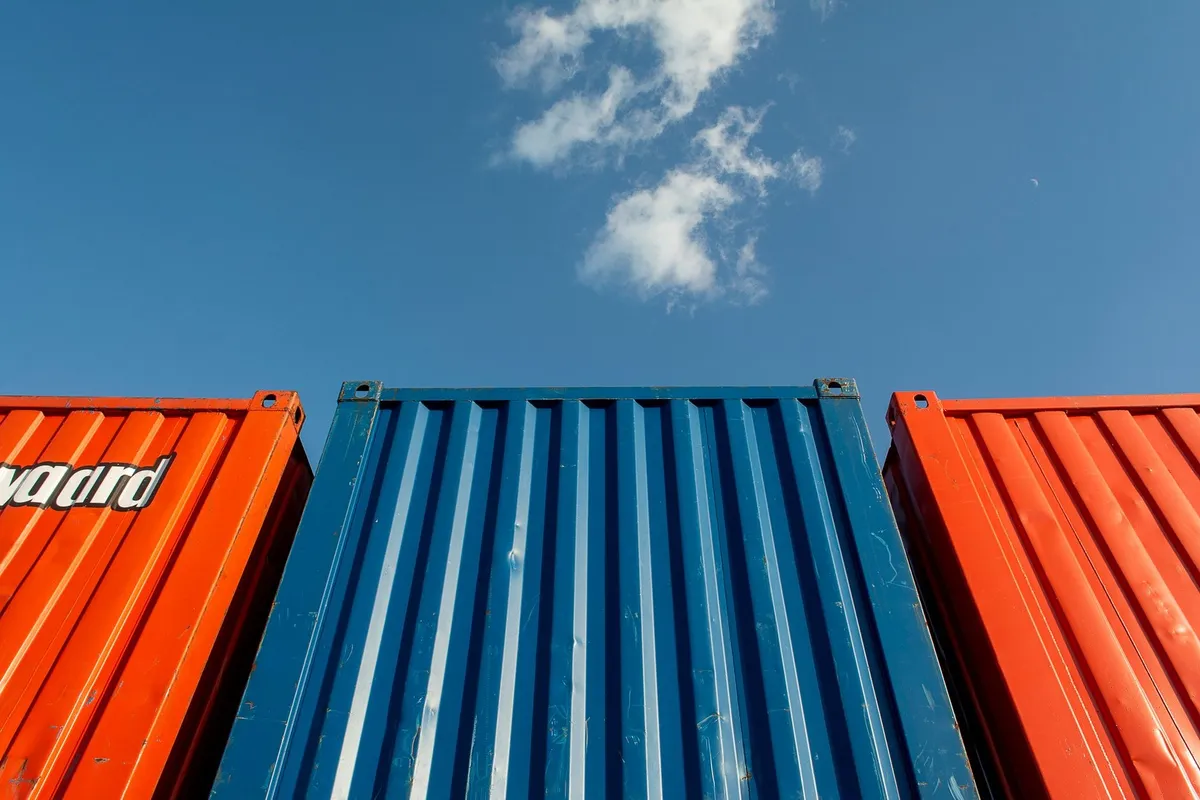
If you’ve been searching for cargo containers for sale Texasyou’re probably already thinking bigger, more storage, more workspace, more flexibility. And that instinct is right. Whether you’re a contractor needing a secure equipment yard, a retailer managing overflow inventory, or a homeowner tired of renting a storage unit across town, a steel shipping container might be the most practical investment you make this year. The question isn’t really whether you need one. It’s whether you’re ready to stop putting it off.

The Real Reason Texas Businesses Keep Coming Back for More
Texas isn’t a small-thinking state. Businesses here tend to grow fast, and when they do, the first thing that gets squeezed is space. Warehouses fill up. Job sites get cluttered. Inventory sits exposed to the elements, and if you’ve ever watched a Texas summer hailstorm roll through, you know exactly how expensive that mistake can be.
Steel shipping containers solve that problem in a way that traditional storage buildings simply can’t match. They’re weatherproof, lockable, portable, and built to survive ocean crossings. A little Texas heat isn’t going to phase them. Many business owners who’ve made the switch say the same thing, they wish they’d done it sooner. The durability alone makes the purchase feel like a no-brainer once you’re actually standing next to one.
For businesses managing seasonal inventory spikes, a portable steel unit gives you the flexibility to scale up without committing to a permanent structure. That matters in a state where regulations, lease terms, and business needs can shift quickly. If you’re curious how other Texas businesses are putting these units to work, local Texas businesses are already thriving with cargo containers in ways that go well beyond basic storage.
New vs. Used, And Why the Answer Might Surprise You
One of the biggest decisions buyers face is whether to go new (called “one-trip” containers, since they’ve made exactly one voyage from a manufacturer) or used. Here’s the honest take: for most buyers, a quality used container is the smarter financial move.
A one-trip container is in near-perfect condition and commands a premium price. If you’re converting a unit into a retail pop-up, a home office, or something where appearance really matters, that premium might be worth it. But if you’re storing equipment, managing construction materials, or just need reliable, secure space, a well-inspected used container does the same job for significantly less money.
The key word there is well-inspected. Not all used containers are created equal. Some have surface rust that’s purely cosmetic. Others have structural issues that affect the integrity of the floor or door seals. Before you buy, you want to know the container’s grade, see photos of the actual unit (not a stock image), and confirm the doors open, close, and lock properly. A reputable seller will have no problem walking you through all of that. If they hesitate, that’s your answer.
Size matters too. The standard 20-foot unit works well for most residential and small business needs. The 40-foot version is the workhorse for contractors and larger operations. If you’re unsure which fits your situation, here’s what to know before investing in a 40-foot shipping containerit covers the practical side of that decision without the fluff.

What Delivery Actually Looks Like, And What to Prepare For
People often focus so much on the purchase price that they forget to think about delivery until the truck shows up. Containers are heavy, a standard 20-foot empty unit weighs around 5,000 pounds, and they require a tilt-bed or roll-off truck to place them. That means you need a few things sorted out before delivery day.
First, access. The delivery truck needs a clear path with enough overhead clearance and turning room. If your property has low-hanging power lines, tight gates, or soft ground that won’t support a loaded truck, you need to flag that upfront. A good supplier will ask these questions before scheduling the drop. If they don’t ask, you should bring it up.
Second, the foundation. Containers don’t need a concrete pad, but they do need a level, stable surface. Gravel, compacted dirt, or railroad ties all work. What doesn’t work is soft, uneven ground that causes the container to rack or warp over time. A little prep work before delivery saves a lot of headaches later.
Third, permits. In most Texas municipalities, a container used for temporary storage doesn’t require a permit. But if you’re placing one permanently, adding electricity, or converting it into a structure, local codes may apply. Check with your city or county before the unit arrives, not after.
Getting the Best Price Without Getting Burned
The container market in Texas is active, and pricing can vary more than you’d expect. Factors like steel prices, local supply, container grade, and delivery distance all play a role. That said, there are a few ways to make sure you’re getting fair value.
Buy local when you can. A supplier based in Texas, with units already in the state, will almost always beat the delivered price of a company shipping from a distant port. Cheap Cargo Containers serves buyers across Texas and has built a reputation for transparent pricing and units that actually match what’s advertised. That kind of consistency matters when you’re making a purchase this size.
Don’t just shop on price alone. The cheapest container isn’t always the best deal if the doors don’t seal or the floor has soft spots. Ask about the unit’s history, request photos, and if possible, inspect it before delivery. A small amount of due diligence upfront protects a purchase that’s meant to last for years.
And if you’re still on the fence about whether a steel unit is the right move for your situation, it helps to see the full range of what people are doing with them. The creative applications go well beyond storage, from workshops to pop-up retail to backyard studios. Once you start seeing the possibilities, it’s hard to look at an empty corner of your property the same way again.
Frequently Asked Questions
How much does an empty 20-foot shipping container actually weigh, and why does that matter for my property?
An empty 20-foot unit weighs around 5,000 pounds, which means the delivery truck carrying it is significantly heavier and needs solid ground to maneuver on. If your property has soft soil, low-hanging power lines, tight gate openings, or limited turning room, you need to tell your supplier before the truck shows up, not after. A good supplier will ask about access ahead of time, but if they don’t, bring it up yourself.
Do I need a permit to place a shipping container on my Texas property?
In most Texas municipalities, a container used for temporary storage doesn’t require a permit. However, if you’re placing one permanently, running electricity to it, or converting it into a livable or workable structure, local city or county codes may kick in. Check with your local authority before the unit arrives so you’re not scrambling after the fact.
What’s the real difference between a one-trip container and a used one, is the price difference worth it?
A one-trip container has made exactly one voyage from the manufacturer, so it’s in near-perfect condition and priced accordingly. For most buyers storing equipment, construction materials, or overflow inventory, a well-inspected used container does the same job for significantly less money. Where the premium starts to make sense is when appearance matters, like a retail pop-up or a converted home office.
What should I look for when inspecting a used container before I buy it?
You want to know the container’s grade, see actual photos of the specific unit rather than a stock image, and confirm the doors open, close, and lock properly. Surface rust is often cosmetic, but structural issues affecting the floor integrity or door seals are a real problem. A reputable seller will walk you through all of this without hesitation, if they’re evasive about it, that tells you what you need to know.
Does a shipping container need a concrete pad, or can I just set it on the ground?
Containers don’t require a concrete pad, but they do need a level, stable surface, gravel, compacted dirt, or railroad ties all work fine. What causes problems is soft or uneven ground, which can cause the container to rack or warp over time and make the doors hard to operate. A little ground prep before delivery is a lot easier to deal with than fixing a warped frame after the fact.
Leave a Reply