
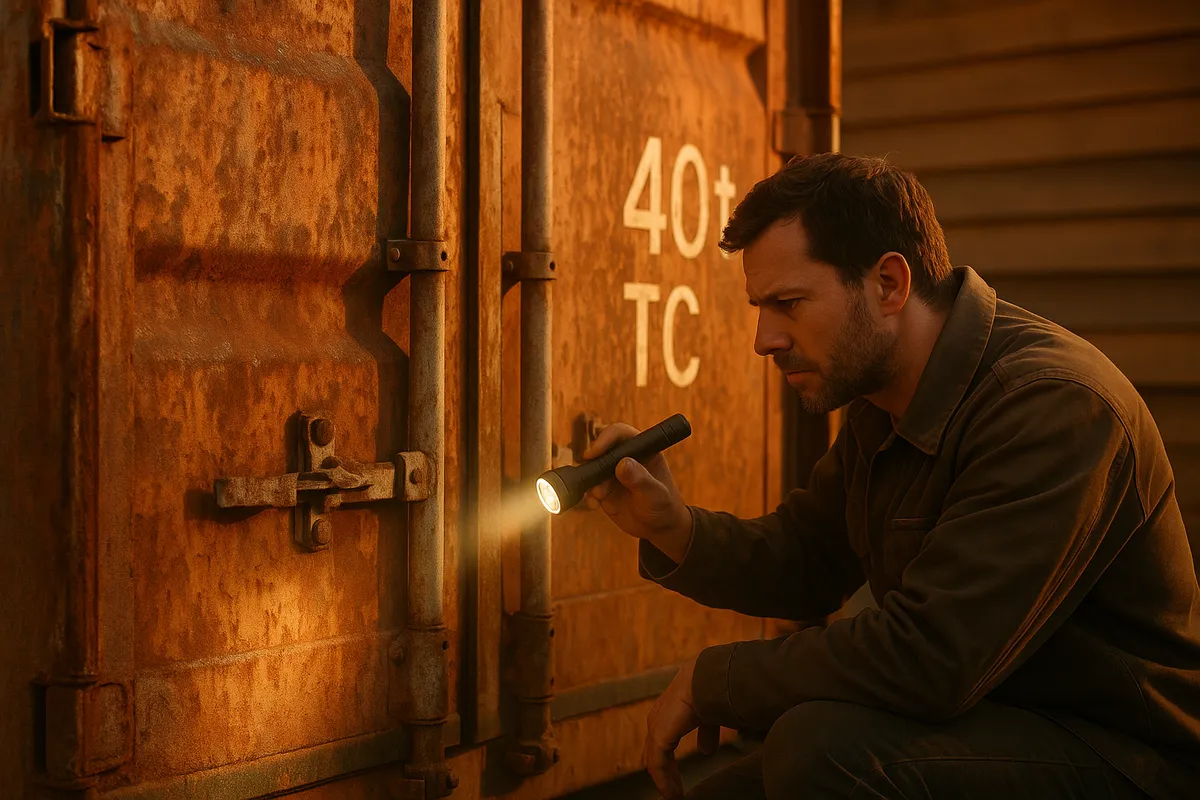
If you’ve been shopping around for a 40ft shipping container in Texasyou’ve probably already noticed that the options, and the price swings, can be pretty overwhelming. From surplus port containers to one-trip units fresh off a cargo ship, the market here moves fast and the details matter. Before you hand over your money, there are a few things worth understanding that most sellers won’t walk you through upfront.
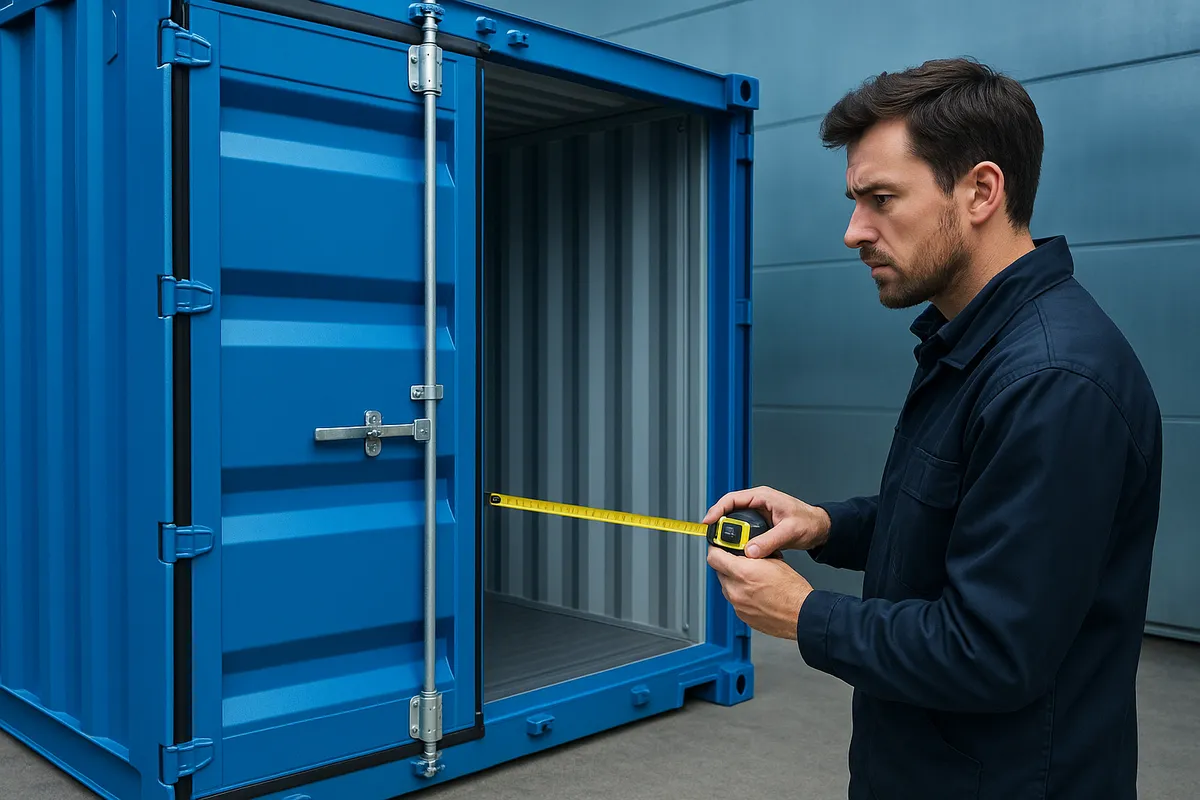
Size Isn’t Everything, Condition Is the Real Story
A lot of buyers get fixated on dimensions and forget to ask the harder questions about what kind of life that container has lived. A full-length steel box sounds impressive on paper, but if the floor is rotting, the doors are misaligned, or there’s rust eating through the sidewalls, you’re not getting a deal, you’re getting a project.
Container grading matters more than most people realize. Wind and watertight (WWT) units are the most common entry-level option. They’ll keep rain out, but they may have dents, surface rust, and cosmetic wear. Cargo-worthy containers meet international shipping standards and are structurally sound. One-trip units are essentially new, they’ve made a single journey from the manufacturer, usually from Asia, and are in near-perfect condition.
For Texas buyers using these containers for long-term storage, a job site office, or a permanent structure on their property, spending a little more on a one-trip or cargo-worthy unit almost always pays off. The Texas heat and humidity are relentless, and a container with compromised seals or thin spots in the steel will show its age quickly.
The Ground Beneath Your Container Matters More Than You Think
Here’s something that catches a lot of first-time buyers off guard: delivery and placement can make or break the whole experience. A full-length steel box weighs somewhere between 8,000 and 9,000 pounds empty. Once you start loading it with equipment, inventory, or personal belongings, that number climbs fast.
In Texas, soil conditions vary wildly. Clay-heavy ground in the Dallas-Fort Worth area shifts with the seasons. Sandy or loose soil near the Gulf Coast can sink under that kind of weight. Before your container arrives, you need a solid, level surface, whether that’s compacted gravel, railroad ties, or a concrete pad. Skipping this step leads to doors that won’t open properly and floors that warp over time.
Delivery access is the other piece of this puzzle. The truck making the drop needs clearance, typically at least 100 feet of straight, unobstructed space to slide the container off the chassis. Overhanging trees, tight driveways, and soft ground can all turn a straightforward delivery into an expensive headache. Talk through your site conditions with your supplier before you finalize anything.

New vs. Used: Where Texas Buyers Actually Save Money
The price gap between a used unit and a one-trip container can range from a few hundred to a couple thousand dollars depending on the market. For some buyers, that difference is the deciding factor. For others, the long-term math tells a different story.
Used containers that are priced low often need work, new door seals, floor repairs, rust treatment, or repainting. Those costs add up. Many customers who’ve gone through the process say they wish they’d known upfront how quickly “affordable” can become “expensive” once you factor in modifications and repairs.
If your container is going to serve as a workshop, retail pop-up, or creative build projectstarting with a cleaner unit gives you a better foundation and fewer surprises. If you’re strictly storing dry goods or equipment on a short timeline, a solid WWT unit can absolutely get the job done at a lower price point.
The team at Cheap Cargo Containers Texas works with buyers across the state and can help you match the right grade of container to your actual use case, not just push you toward the highest-margin unit on the lot.
Permits, Zoning, and the Rules Texas Doesn’t Always Advertise
This is the part that surprises people the most. Texas is famously relaxed about a lot of things, but local municipalities and HOAs have their own rules about placing steel containers on residential or commercial property, and they vary significantly from one county to the next.
In some areas, a container used for storage on agricultural land requires no permit at all. In others, you’ll need a building permit, a site plan, and approval from the local zoning board before anything gets delivered. If you’re in a neighborhood governed by an HOA, there may be outright restrictions regardless of what the county allows.
The smart move is to call your local permitting office before you buy. Ask specifically about temporary vs. permanent placementfoundation requirements, and whether the container needs to meet any aesthetic standards, some areas require paint or cladding to make the structure blend in. It takes one phone call and can save you from having to move a 9,000-pound steel box because you skipped the paperwork.
Texas is a big state with a lot of opportunity for container use, from ranches in West Texas to job sites in Houston. Getting the details right from the start is what separates a smart investment from a frustrating one. Take your time, ask the right questions, and you’ll end up with a structure that works hard for years.
Frequently Asked Questions
How much does the ground preparation actually cost before my container gets delivered in Texas?
The article doesn’t give a fixed number because it depends on your site, compacted gravel is generally the most affordable option, while a poured concrete pad runs higher but gives you the most stable long-term foundation. What the article does make clear is that skipping this step leads to warped floors and doors that won’t open, which ends up costing more to fix than doing it right the first time. Get a quote from a local contractor for your specific soil type before you finalize your container purchase.
What’s the real difference between a wind and watertight container and a one-trip unit for storage in the Texas heat?
A wind and watertight unit will keep rain out but may have dents, surface rust, and worn seals, and the article specifically warns that Texas heat and humidity will accelerate any existing weak spots in the steel. A one-trip unit has made a single journey from the manufacturer and arrives in near-perfect condition, which gives you a much better starting point for long-term use. If you’re storing anything valuable or using the container as a workspace, the extra cost for a cleaner unit tends to pay for itself.
Do I need a permit to put a container on my property in Texas, or is it pretty much open range out here?
It depends heavily on where you are, agricultural land in some counties requires no permit at all, while other areas require a building permit, a site plan, and zoning board approval before delivery. HOAs add another layer entirely and may prohibit containers outright regardless of what the county allows. The article’s advice is straightforward: call your local permitting office before you buy, and ask specifically about temporary versus permanent placement and any aesthetic requirements.
How much clearance does the delivery truck actually need, and what happens if my driveway is too tight?
The delivery truck needs at least 100 feet of straight, unobstructed space to slide the container off the chassis, overhanging trees, tight turns, and soft ground can all create serious problems. If your site doesn’t meet those conditions, what should be a simple drop-off can turn into an expensive situation fast. Talk through your driveway layout and any obstacles with your supplier before you confirm the order, not after the truck shows up.
If I buy a cheaper used container and it needs repairs, what kinds of fixes am I actually looking at?
The article lists door seals, floor repairs, rust treatment, and repainting as the most common costs that catch buyers off guard on lower-priced units. Those individual repairs might seem minor, but they stack up quickly and can close the gap between what you paid for a used container and what a one-trip unit would have cost. If your plan involves modifications, turning it into a workshop, pop-up shop, or any kind of build, starting with a cleaner unit means fewer surprises before you even begin the real work.
Leave a Reply