
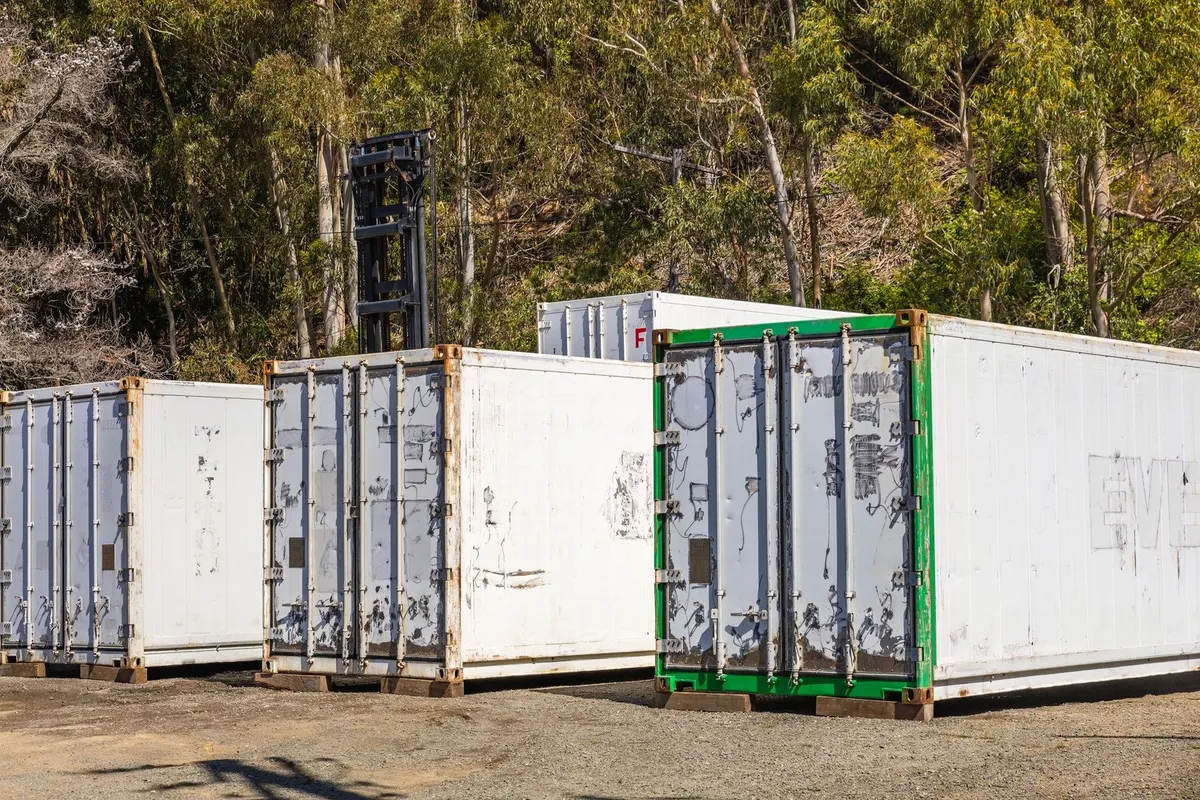
Plenty of Texans have walked away from a purchase feeling great about their deal, only to realize weeks later that they missed something important. If you’re shopping for cheap cargo containers Texas has no shortage of options, but that abundance can actually work against you if you don’t know what to watch out for. The difference between a smart buy and a costly headache often comes down to a few decisions that seem minor at the time.

Judging a Container by Its Price Tag Alone
This is the most common trap buyers fall into. A low sticker price feels like a win, but a container that needs serious repairs before it’s usable isn’t actually saving you money, it’s just moving the cost around. Rust, structural damage, compromised door seals, and floor rot are all issues that can turn a “deal” into a drain on your budget fast.
When you’re evaluating used shipping containers, always ask for photos of the interior, the floor, and the door seals before you commit. Better yet, inspect in person when possible. A reputable seller won’t hesitate to let you look it over. If someone is pushing you to decide quickly without giving you a real look at the unit, that’s a signal worth paying attention to.
Grade matters too. Most containers are sold as WWT (wind and watertight), CW (cargo worthy), or one-trip units. Each grade reflects condition and price accordingly. Knowing the difference before you shop puts you in a much stronger position than discovering it after delivery.
Getting the Size Wrong the First Time
It sounds obvious, but a surprising number of buyers end up with a container that doesn’t fit their actual needs, either because they underestimated their storage requirements or because they didn’t measure their available space before ordering.
Standard containers come in 10, 20, and 40-foot lengths. A 20-footer feels enormous in a showroom photo but can fill up quickly when you’re storing equipment, inventory, or household goods. On the flip side, a 40-foot container dropped into a tight backyard or commercial lot can create real logistical problems if there isn’t enough room for the delivery truck to maneuver.
Before you finalize anything, measure your space twice. Account for the delivery truck’s turning radius, overhead clearance if there are trees or power lines, and any local zoning rules that might limit container placement. If you’re not sure which size fits your situation, this guide on choosing the right container for your needs breaks it down in plain terms.

Skipping the Delivery Conversation Until It’s Too Late
Here’s something a lot of first-time buyers don’t think about until the truck shows up: delivery logistics can make or break the whole experience. A container sitting on a flatbed needs a clear, level path to its final position. Soft ground, tight turns, low-hanging branches, and narrow driveways are all things that can complicate, or completely derail, a delivery.
Talk to your supplier about delivery specifics before you pay. Ask what equipment they use, whether they offer tilt-bed or crane delivery, and what site conditions they need from you. Some companies charge extra for difficult deliveries or won’t deliver to certain locations at all. Knowing this upfront saves you from scrambling on delivery day.
Many customers who’ve worked with the team at affordable shipping containers have mentioned how much they appreciated the straightforward communication about what to expect, no surprises, no hidden fees that showed up after the fact. That kind of transparency matters when you’re making a purchase this size.
Overlooking What You Actually Plan to Do With It
Not every container purchase is just about storage. Texas buyers are using these units for everything from job site offices to backyard workshops to pop-up retail spaces. If you have a specific use in mind beyond basic storage, your buying criteria shift considerably.
Planning to add electricity? You’ll want to think about ventilation and insulation from the start, not as an afterthought. Converting a unit into a workspace means the floor condition and structural integrity matter even more than they would for simple storage. If you’re thinking about a more creative application, it’s worth exploring what other Texans are doing with their containerssome of the uses people have come up with are genuinely impressive.
The point is, your end use should drive your buying decision from the very beginning. A container that’s perfect for storing landscaping equipment might be completely wrong for someone building a home office. Get clear on your purpose first, then find the unit that fits it, not the other way around.
Buying a shipping container is a significant investment, even when you’re getting a solid deal. Taking a little extra time to ask the right questions, inspect carefully, plan your delivery, and match the unit to your actual needs will pay off far more than chasing the lowest number on a price list. Texas has great options available, the key is making sure the one you pick is actually right for you.
Frequently Asked Questions
What do the container grades like WWT and CW actually mean, and which one should I be looking for?
WWT stands for wind and watertight, meaning the container keeps weather out but may have cosmetic wear or minor issues; CW, or cargo worthy, meets a higher standard and is certified to ship goods again; one-trip units are essentially like new, having made just a single journey from the manufacturer. The grade you need depends on what you’re doing with it, basic outdoor storage might be fine with a WWT unit, but if you’re building a workspace or office, cargo worthy or better is worth the extra cost. Knowing these terms before you shop keeps you from paying one-grade price for a different-grade container.
How much space does the delivery truck actually need to drop off a container at my property?
The truck needs a clear, level path to wherever the container is going, which means tight driveways, low-hanging branches, soft ground, and sharp turns can all cause real problems on delivery day. You should also account for the truck’s turning radius when you measure your available space, not just the footprint of the container itself. Talking through your site conditions with the supplier before you pay is the move, some companies charge extra for difficult deliveries or won’t service certain locations at all.
Is a 20-foot container big enough for most storage needs, or should I just go with a 40-foot to be safe?
A 20-footer fills up faster than most people expect once you’re loading in equipment, inventory, or household items, so it’s worth being honest about your volume before you order. That said, a 40-foot container dropped into a tight backyard or small commercial lot can create serious logistical headaches if there isn’t room for the delivery truck to maneuver. Measure your space twice, think through what you’re actually storing, and don’t assume bigger is automatically better.
What specific things should I check before agreeing to buy a used container I can’t inspect in person?
At minimum, ask the seller for photos of the interior, the floor, and the door seals, those are the areas most likely to show rot, rust, or damage that makes a container unusable without repairs. If a seller won’t provide those photos or is pushing you to decide quickly without a real look at the unit, that’s a warning sign worth taking seriously. Whenever it’s possible, an in-person inspection is always the better option.
If I want to add electricity or use the container as a workspace, does that change what I should look for when buying?
Yes, significantly, if you’re planning to work inside the unit rather than just store things, the floor condition and structural integrity matter more than they would for basic storage. You’ll also want to think about ventilation and insulation from the start, not as something you add later, since retrofitting those features is harder and more expensive after the fact. Get clear on your end use before you pick a unit, because a container that works fine for storing landscaping gear can be completely wrong for someone building a home office.
Leave a Reply